The Faraway Nearby - a Gift from Georgia O’Keeffe
When I’m at home and want to be somewhere else, I walk up onto the moors above my house and fall into the ‘faraway nearby’ — a treeless place with thick blankets of purple heather, drifting mists, and the nasal squeal of grouse.
Sometimes, when I glimpse a hare leaping in the foreground of a rainbow, it feels like Narnia; other times, passing one of the WWII aircraft wrecks scattered across the moors, it resembles the Zone in Tarkovsky’s Stalker.
This area of moorland in the Dark Peak, England is a place both known and unknown, where I can walk from my door into mystery — and dwell in a psychic state shaped by weather and geography. In the usual understated English phrasing this was just ‘a walk to clear my head’, or I would turn it into an ‘adventure’ if I took my children.
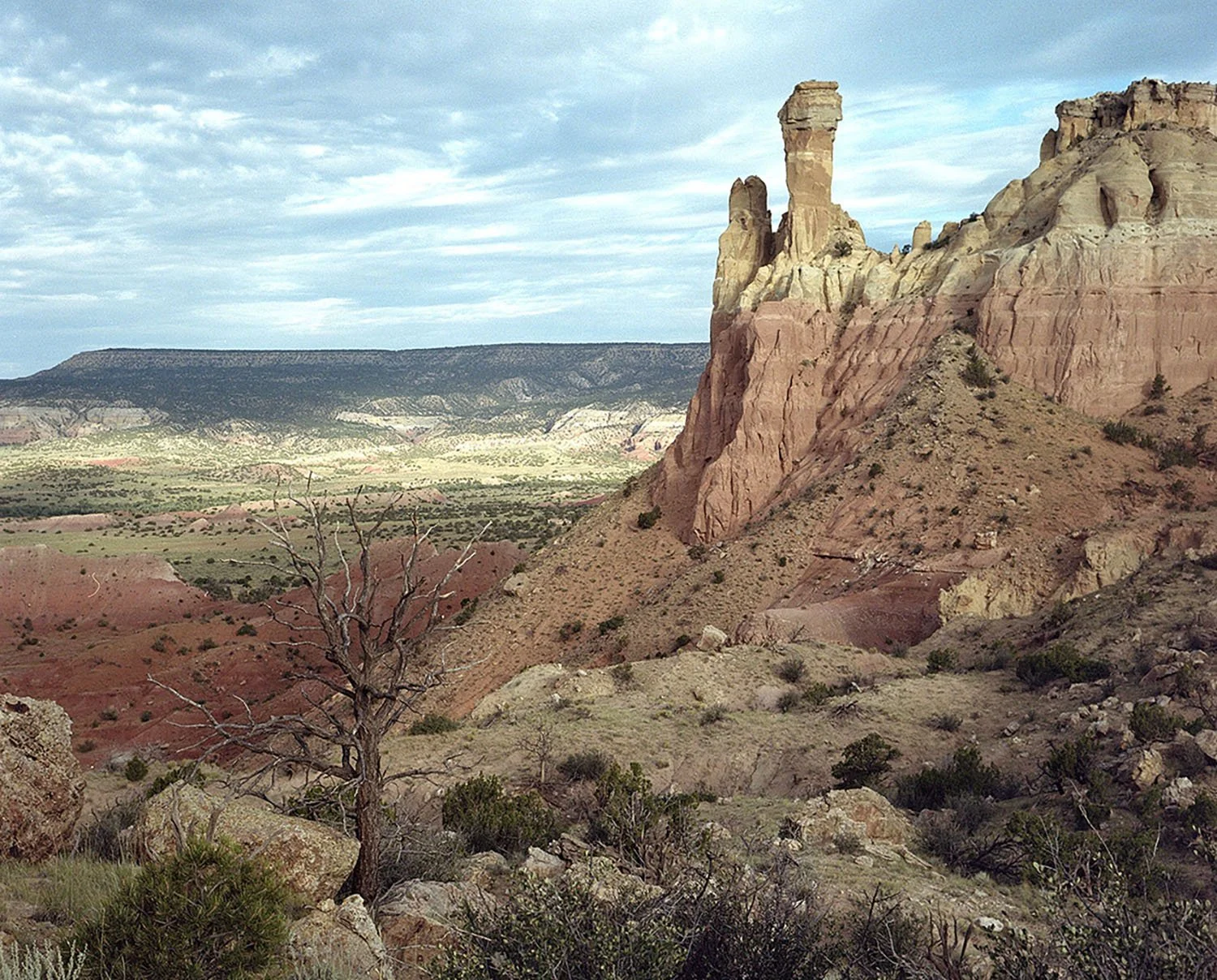
But a visit to Ghost Ranch in New Mexico in 2024, wandering the landscape that Georgia O’Keeffe called the “Far Away” reframed this walk all into something altogether more exciting.
There was a fine little spot quite far off the road with thick old cedar trees with handsome trunks – not very tall but making good spots of shade … Such a beautiful, untouched lonely-feeling place – part of what I call the Far Away.
Georgia O’Keefe
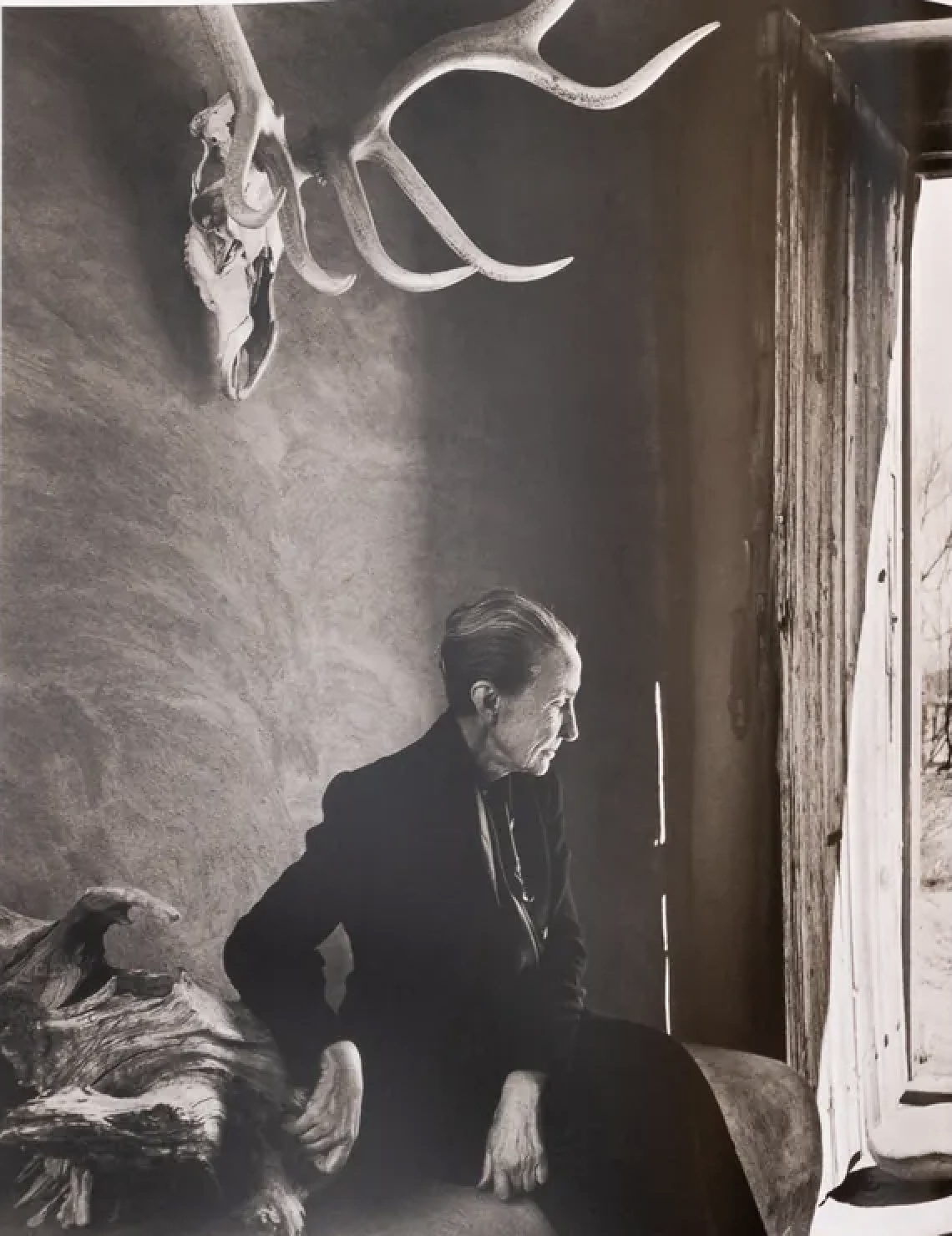
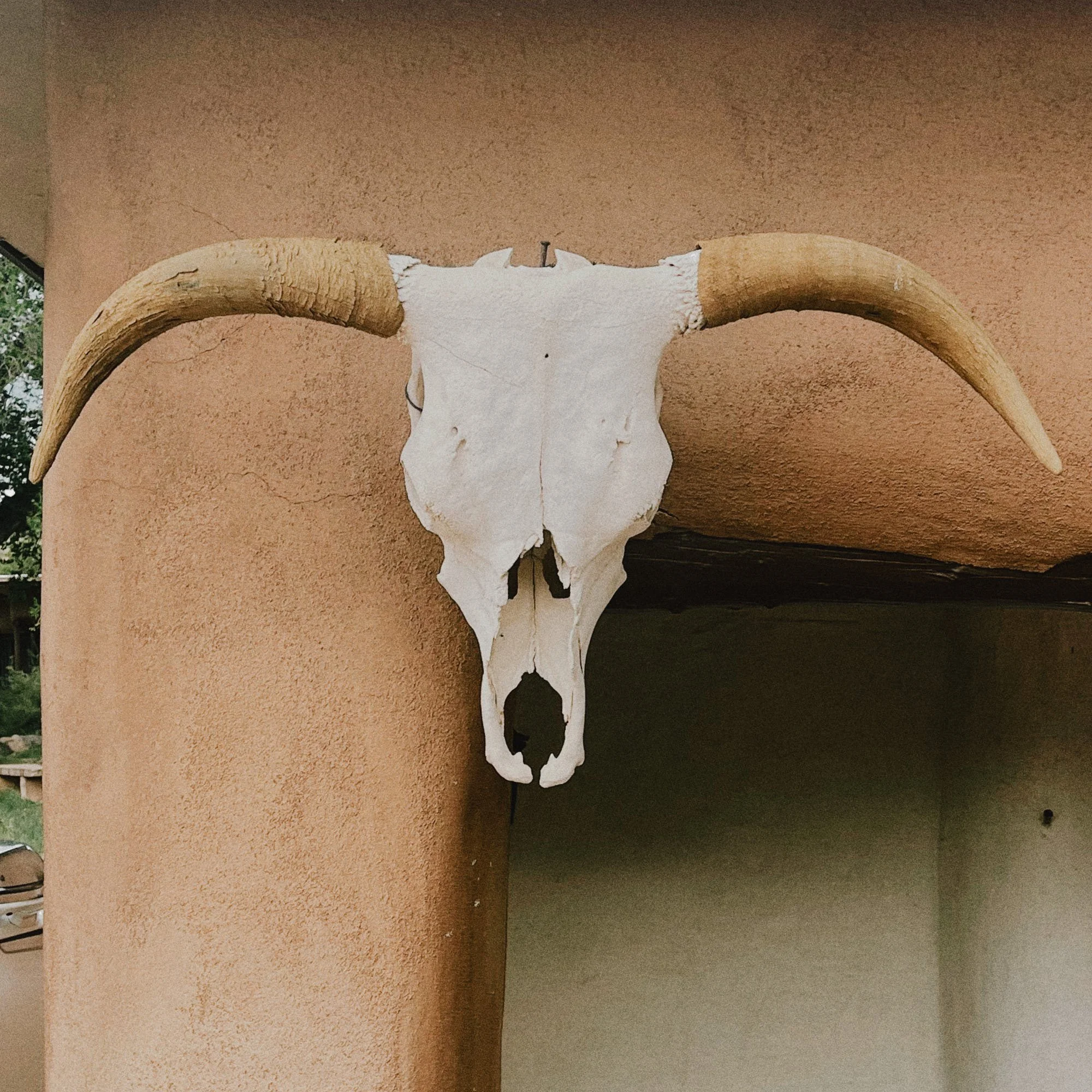
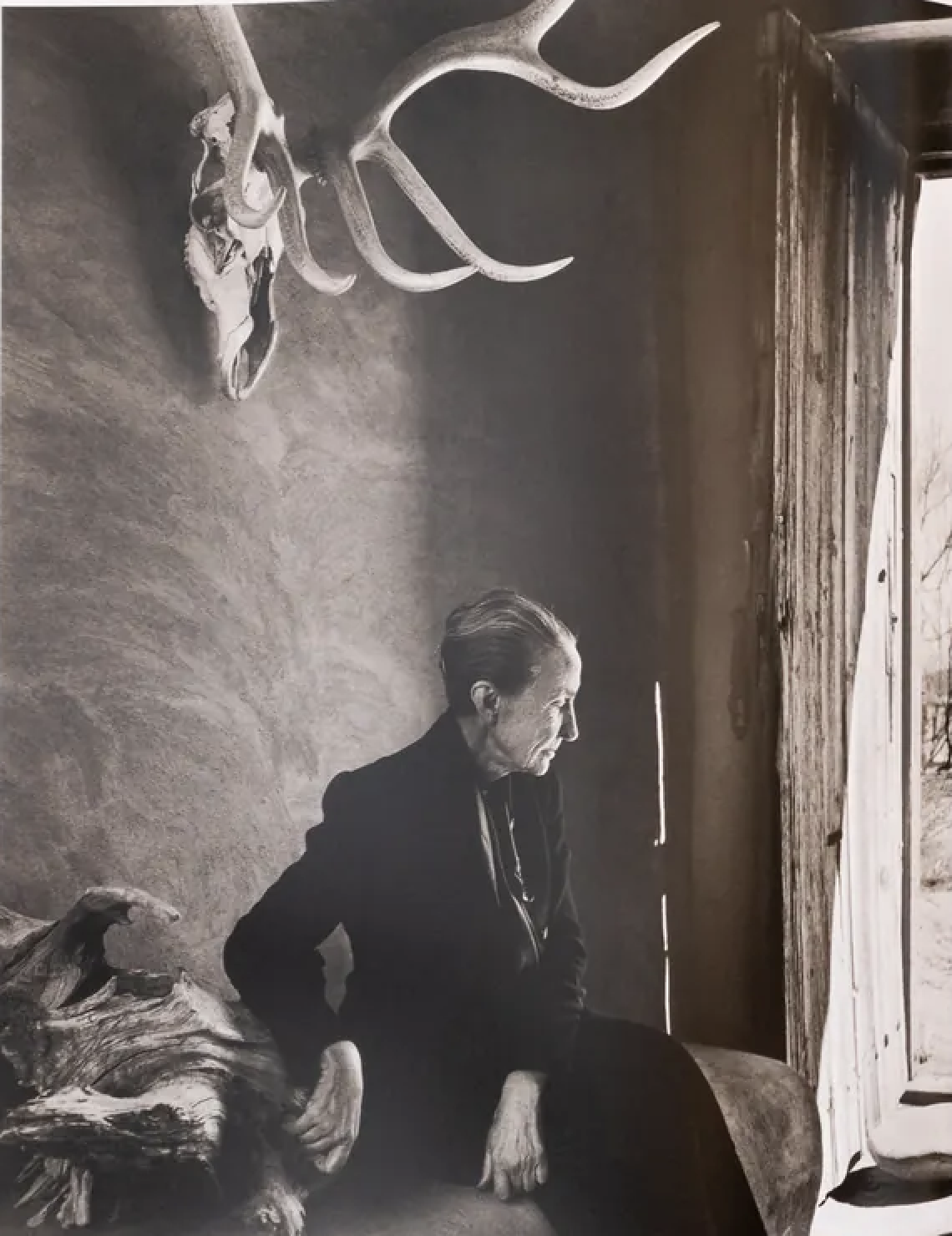
In 1937, O’Keefe painted an antlered skull resting on the slope of a far-off mountain, bringing the very close and the very far together. The paintings original title was “Deer’s Horns, Near Cameron”.
The revelation came when she renamed the painting From the Faraway, Nearby, and lifted an intimate phrase from her life into the space of myth and landscape.
The painting is renowned as one of Georgia O'Keeffe's best since it depicts so many emotions and ideas in one picture. The Faraway Nearby is one of those Koan-like phrases that keeps unfolding the longer you sit with it.
Writers such as Rebecca Solnit - in her luminous book The Faraway Nearby - have used it as a kind of literary cartography, exploring themes of wandering, being lost, and the uses of the unknown.
For me, the phrase became a way of understanding why I return to the moors again and again — why this patch of upland has brought my physical and psychic geography together and become a kind of personal elsewhere.
Alix Kates Shulman writes in her memoir Drinking the Rain:
Within walking distance of any spot on Earth there’s probably more than enough mystery to investigate in a lifetime.
What was once ‘a walk to clear my head’ becomes a voyage on the edge of mystery — to get out into that dark sea and to haul it in like a fisherman. I always arrive back home deepened by the experience, with more mental clarity, and an idea or two.
The faraway nearby is the reminder that elsewhere is always available, even when you’re close to home.
USA