EXPLORE

Silence and solitude

Many of my journeys are to quiet places– where silence feels rich and luxurious.

Stories, books, and stays for those seeking clarity, stillness, and connection with self and nature.

Stories

Stays

A personal selection of places I’ve noted for curiosity, interest, or potential stays—not recommendations or endorsements.

  • The 72 Hour Cabin (Henriksholm Island, Sweden)

    Built from local spruce by architect Jeanna Berger, these glass-and-timber structures perch on stilts above Lake Ånimmen. Originally constructed in 2017 for a study that reduced participants' stress levels over three days.

    The Draw: You sleep inside a transparent polycarbonate box watching the lake through walls that refuse you any privacy from weather or light. No electricity. No Wi-Fi. Just enough distance from the service building to make the walk feel like a small passage between worlds.

  • Eremito (Umbria, Italy)

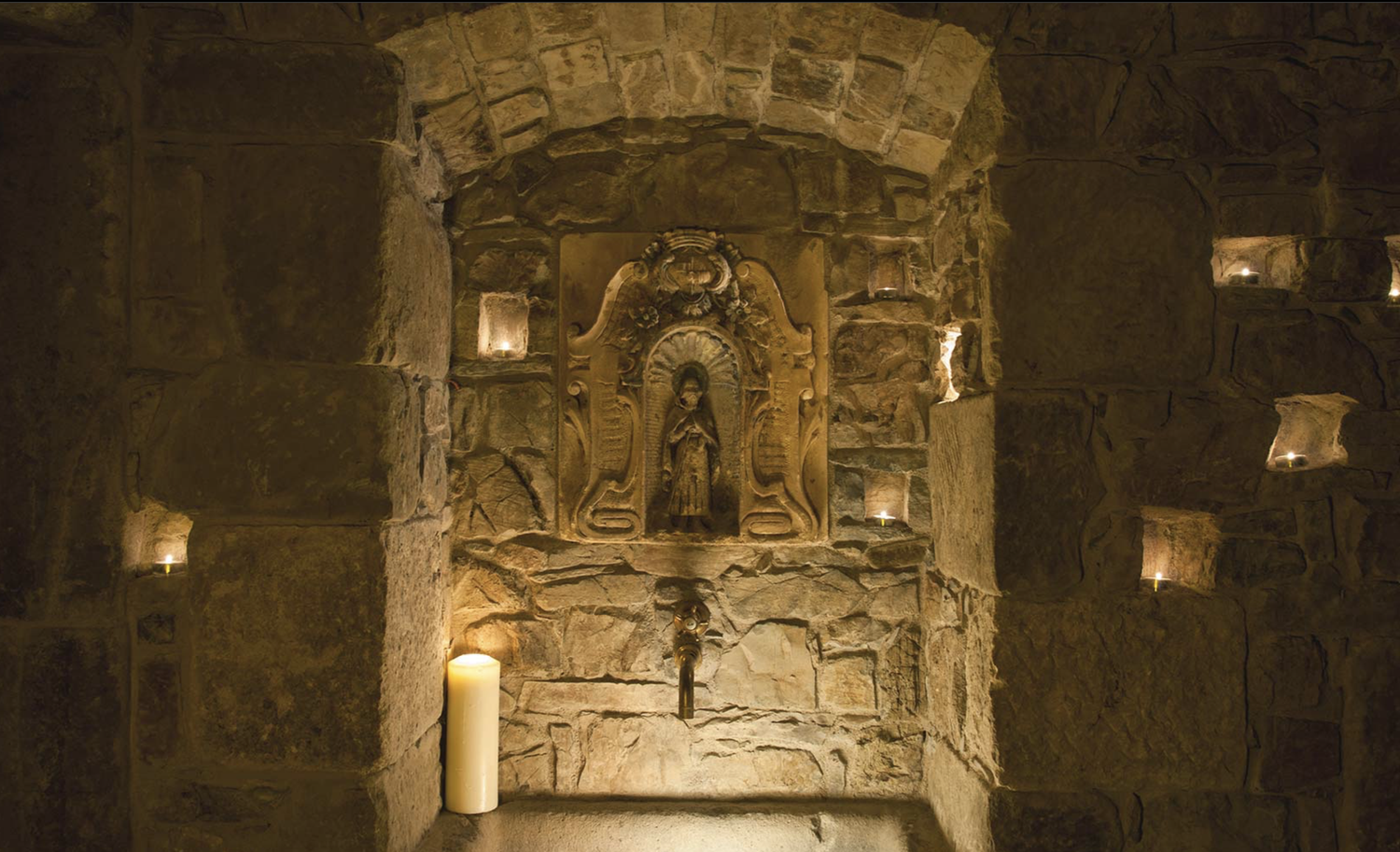
    A restored 14th-century hermitage on a hill above the Chiani River valley, within a 3,000-acre UNESCO Biosphere Reserve. Reopened in 2013 after four years of restoration by Marcello Murzilli.

    The Draw: The structural enforcement of silence. Fourteen "celluzze"—monk-like rooms with hand-sewn hemp sheets and stone desks—overlook the valley from an off-grid estate with no Wi-Fi, no TV, no mobile signal. Communal meals observe silence amid Gregorian chants and candlelight; vegetarian dishes from the gardens, followed by scheduled siesta.

  • Loggers Lodge (Swedish Lapland)

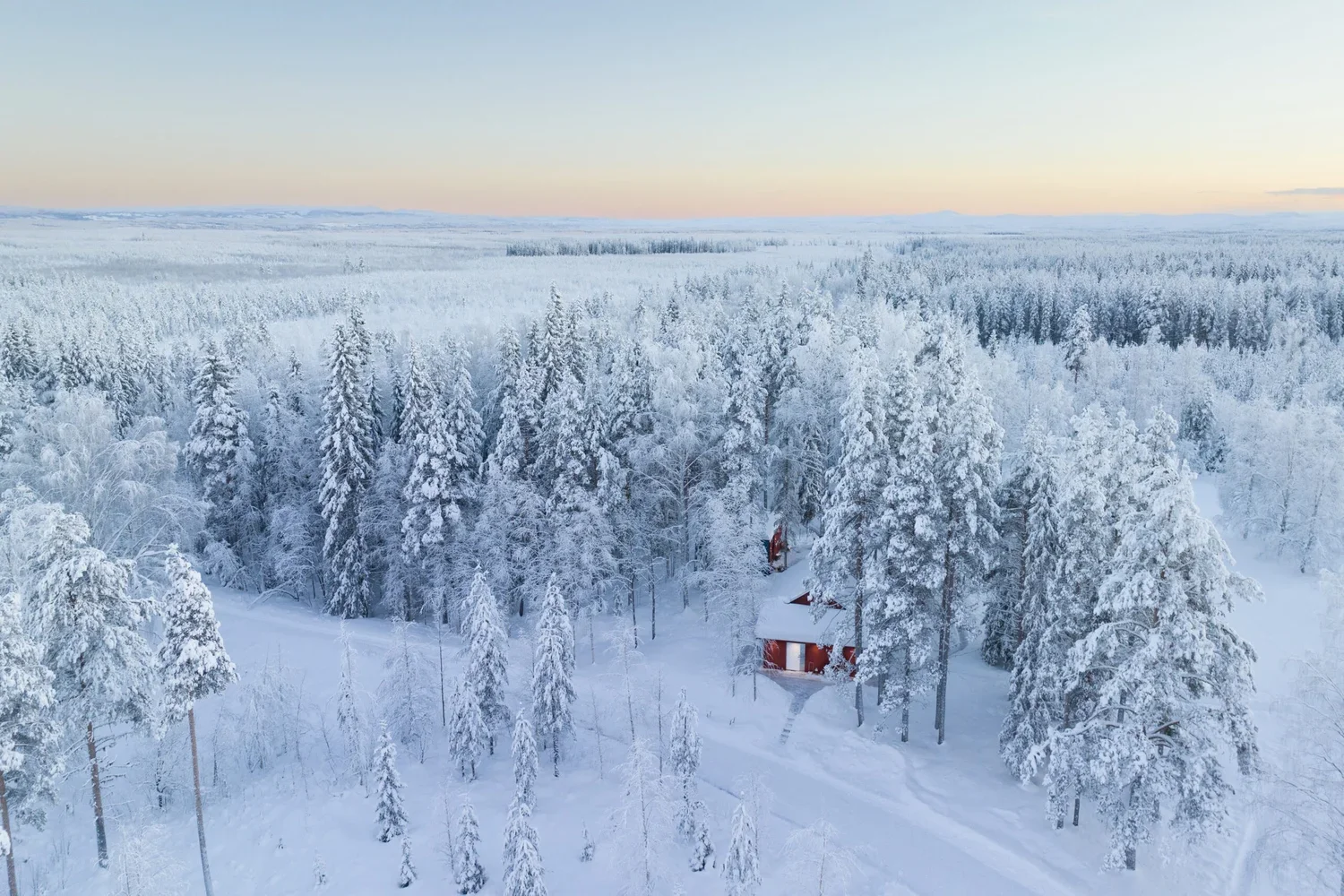
    An exclusive-use luxury cabin for two in Swedish Lapland, positioned five kilometers from the nearest neighbour. The property features zero light pollution and total silence in a remote forest setting near the Kalix River in Norrbotten wilderness.

    The Draw: The enforced privacy of the rental model. The entire property is yours. No staff hovering, no other guests, no shared spaces. Isolation as infrastructure—designed into the booking structure itself, not just promised in the marketing.

  • Casa na Terra (Monsaraz, Portugal)

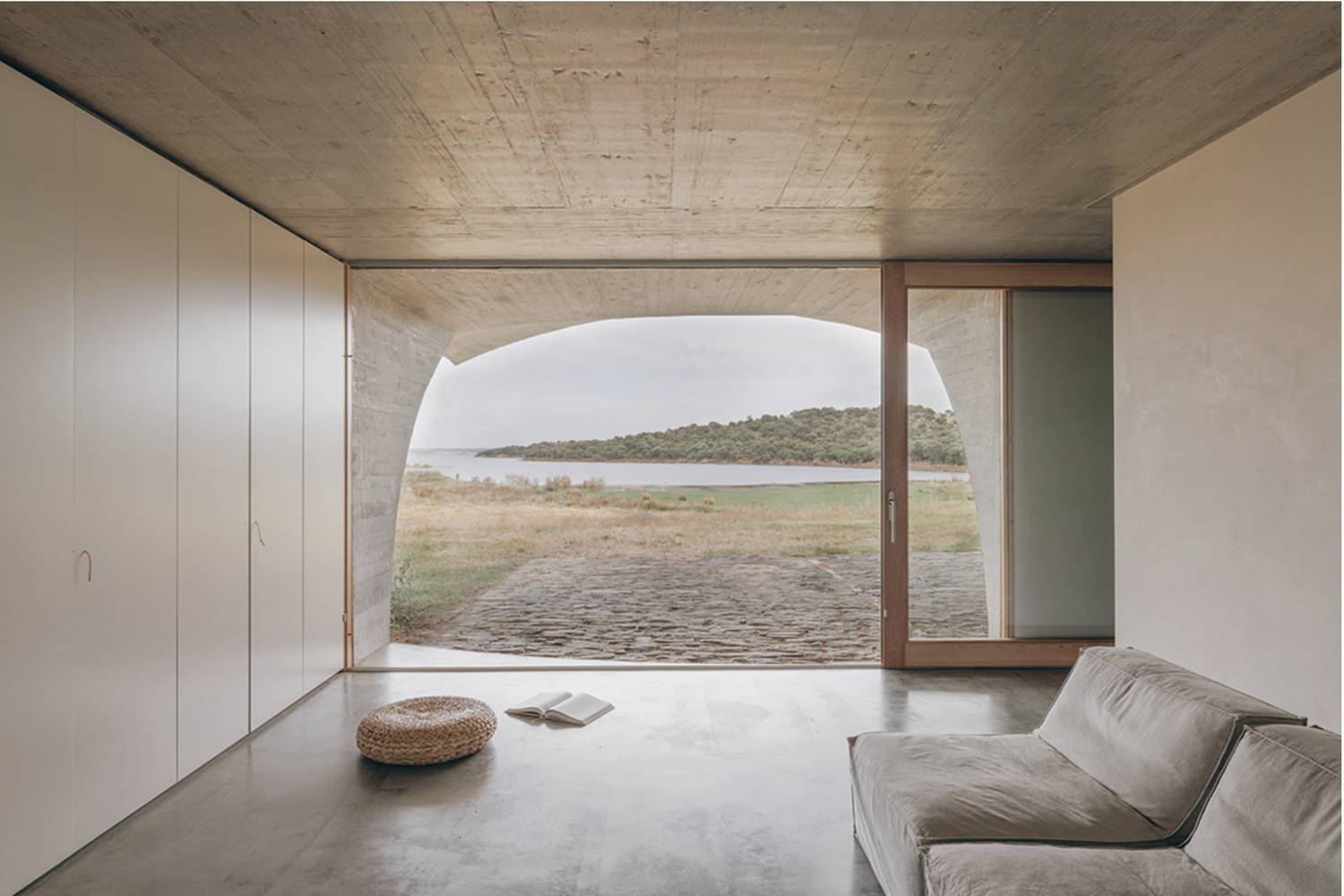
    A masterclass in architectural disappearance by Manuel Aires Mateus. The house is carved into the topography, hidden beneath a concrete canopy that mirrors the curve of the land.

    The Draw: The earth here acts as a physical acoustic buffer, creating a heavy, subterranean silence that feels less like a hotel and more like a secular catacomb.

  • Eiheiji Temple (Fukui, Japan)

    The mother temple of Soto Zen, founded in 1244 by Dogen Zenji amid cedar forests in the mountains of Echizen. One of Japan's largest Zen complexes, it remains a training ground for hundreds of monks.

    The Draw: Total immersion within a living monastery. Foreign guests join the monks' schedule—4 a.m. zazen, silent oryoki meals, samu work sweeping leaves or washing stone paths. No tourists beyond daytime hours; you're inside the cloister walls, breathing the same air as practitioners who've given their lives to zazen.

  • Saint Catherine's Monastery (Sinai, Egypt)

    The oldest continuously inhabited Christian monastery in the world, built between 548 and 565 at the foot of Mount Sinai. It has never been destroyed in seventeen centuries.

    The Draw: Sleeping next to history that predates the divisions of the Christian world. The monastery sits between three mountains, within fortress walls built to protect sixth-century anchorites. The guesthouse offers access day-trippers don't get: early morning, late evening, the mountain range at dusk.

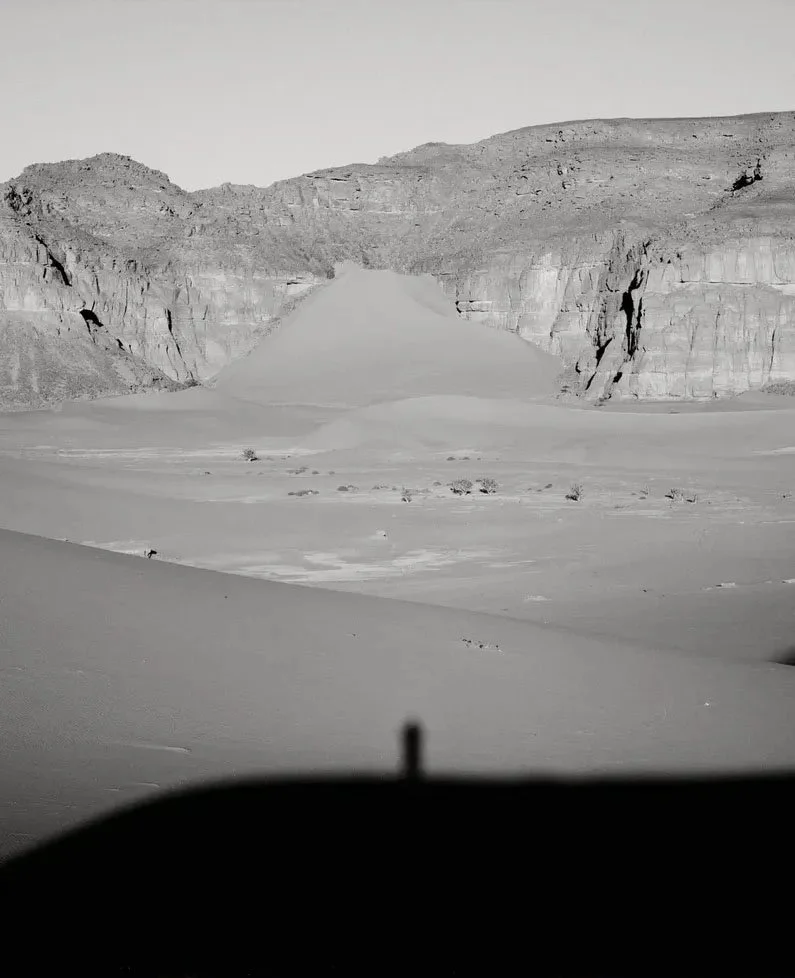
  • The NamibRand (Namibia)

    Spanning over 200,000 hectares in southwestern Namibia, designated Africa's first Wilderness Quiet Park in June 2024. Accommodation is strictly limited: roughly one bed per thousand hectares across six camps.

    The Draw: The quantification of emptiness. The reserve limits guest density to one bed per 3.9 square miles and monitors sound levels. Less about organized silence—the e-bike safaris, the stargazing—than what happens at the margins.

  • The Bothy at Inshriach (Scotland)

    Designed by artist Bobby Niven and architect Iain MacLeod in 2011, this timber-and-corrugated-metal structure sits in a clearing above the River Spey, surrounded by native birch and Scots pine. It operated as an artist residency until retiring in February 2023.

    The Draw: The Cairngorms are legitimately wild, and the bothy gave structure to that vastness—not as escape, but as vantage point. Solar panels provide minimal electricity; composting toilet and stove-heated shower sit outside. Off-grid, modest, designed to slot into terrain without dominating it.

  • Solesmes Abbey (France)

    A thousand-year-old Benedictine monastery on the Sarthe River where silence and recollection remain central to monastic life. Men can stay one to seven days in the guesthouse within the monastic enclosure, sharing meals with the monks.

    The Draw: The ancient liturgical structure of the day. Mass and offices are sung in Latin and Gregorian chant, creating a rhythm that has nothing to do with productivity or recreation. Silence isn't optional—it's structurally embedded in the retreat. This isn't solitude; it's communal contemplation.

Reading Silence and Solitude

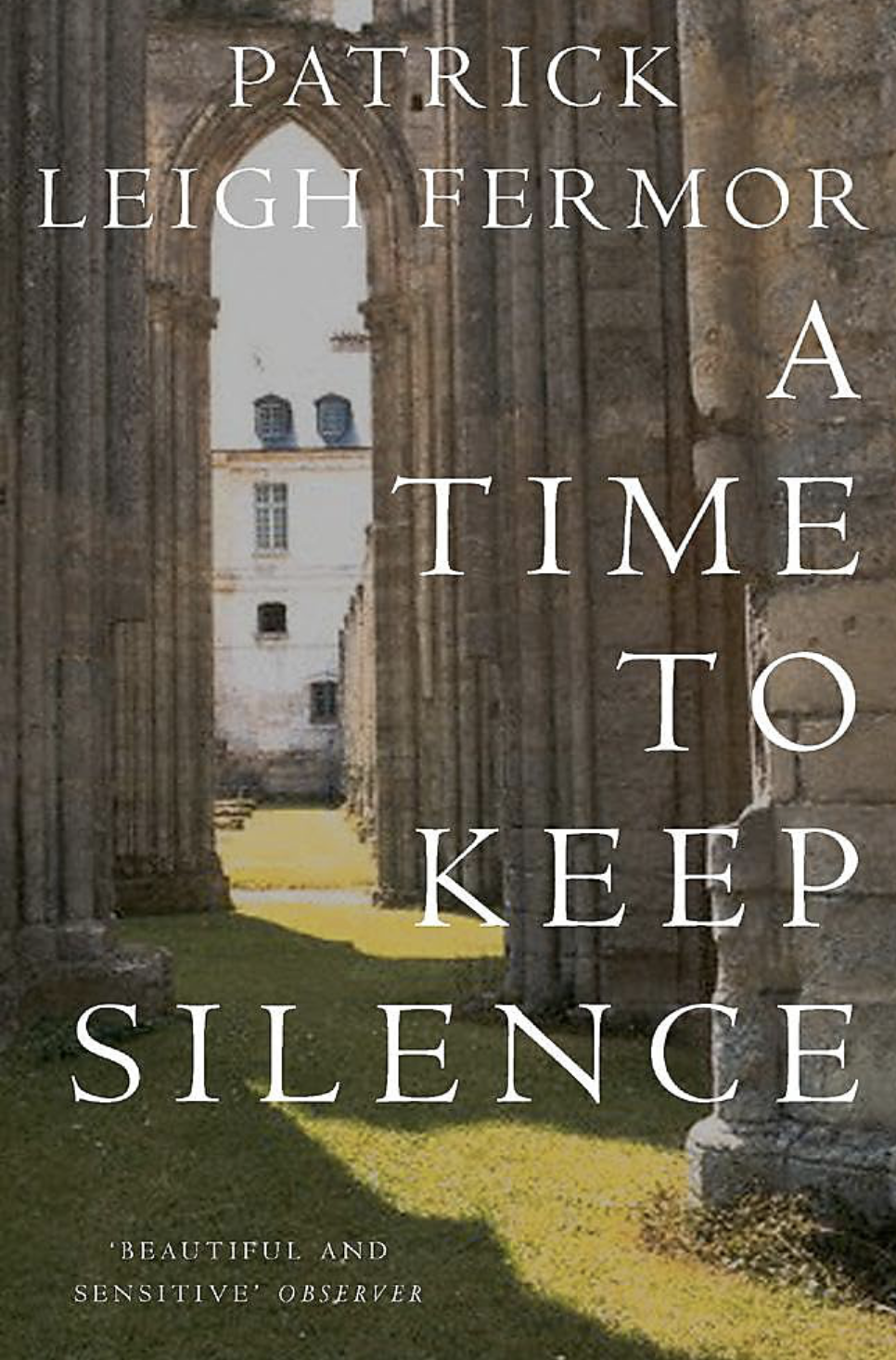
  • "The silence seemed to expand like a balloon, displacing everything else."

    Exhausted by postwar Paris, Patrick Leigh Fermor retreated to a Benedictine abbey in 1953 needing somewhere quiet to write. This slender book chronicles his weeks among monks in France and Cappadocia. Fermor captures the "huge, black wings" of monastic quiet settling over him: initial agitation giving way to clarity, then unexpected peace.

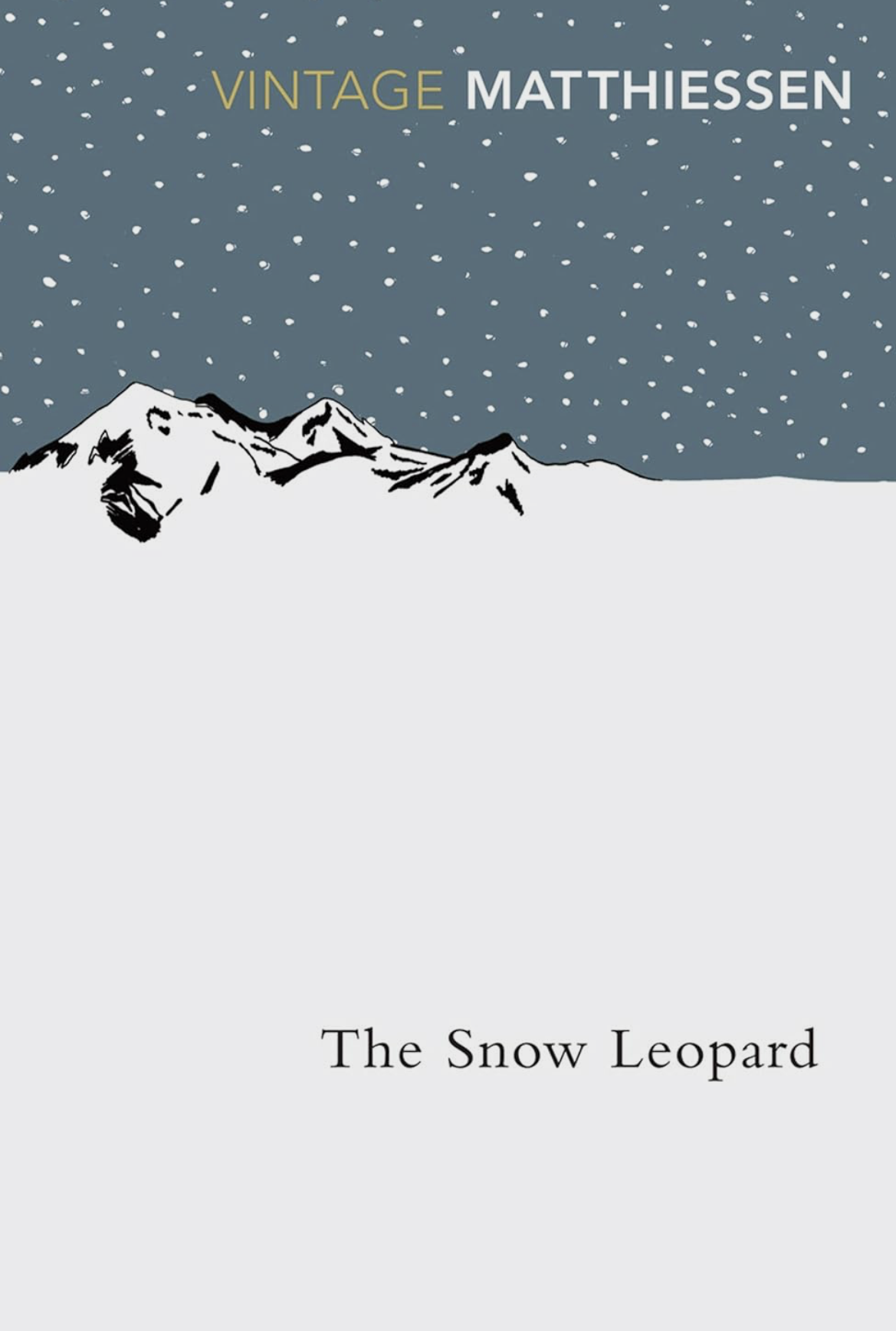
  • "In the dead hush, like the hush in these snow mountains, the silence swelled with the intake of my breath into a Presence of vast benevolence."

    Peter Matthiessen went into the Himalaya in search of a snow leopard and found something rarer: silence. This is both travelogue and inward journey—a man moving through grief in thin air, guided by Zen teachings only partly understood. The leopard may never appear, but the silence offers something vaster: intimacy with wind, glacier, and the slow dissolution of self.

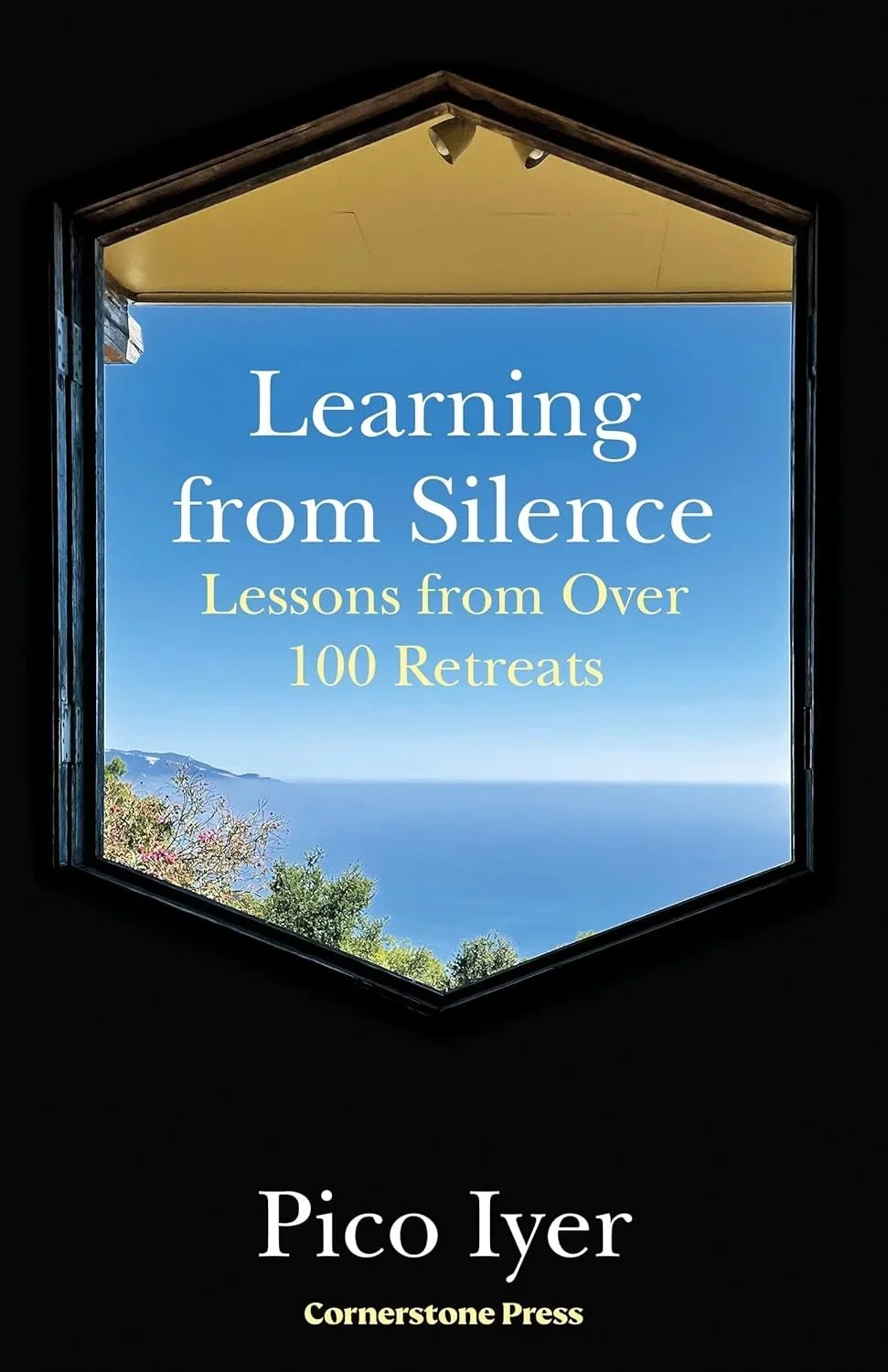
  • "In my life below, I'm so determined to make the most of every moment; here, simply watching a box of light above the bed, I'm ready at last to let every moment make the most of me."

    For over thirty years, Pico Iyer has returned to a Benedictine monastery in Big Sur—perched on cliffs above the Pacific. He is not religious, but goes to rediscover inner silence, a state we forget exists. Written in short, epigrammatic fragments, this book mirrors the quiet it describes: no epiphany, just the slow accumulation of hours and the changes they work beneath the surface.

  • "A window is more transparent than a television. It does not tell you what to think; it shows you what is."

    Sylvain Tesson—heir to Thoreau, but with vodka and cigars—locked himself for six months in a Siberian cabin on Lake Baikal's edge. In this slender, witty book, winter and silence act as "cleaning agents," stripping life to its essential rites: chopping wood, drawing water, pouring tea. The taiga offers no comfort, only indifference. What falls away is everything unnecessary.

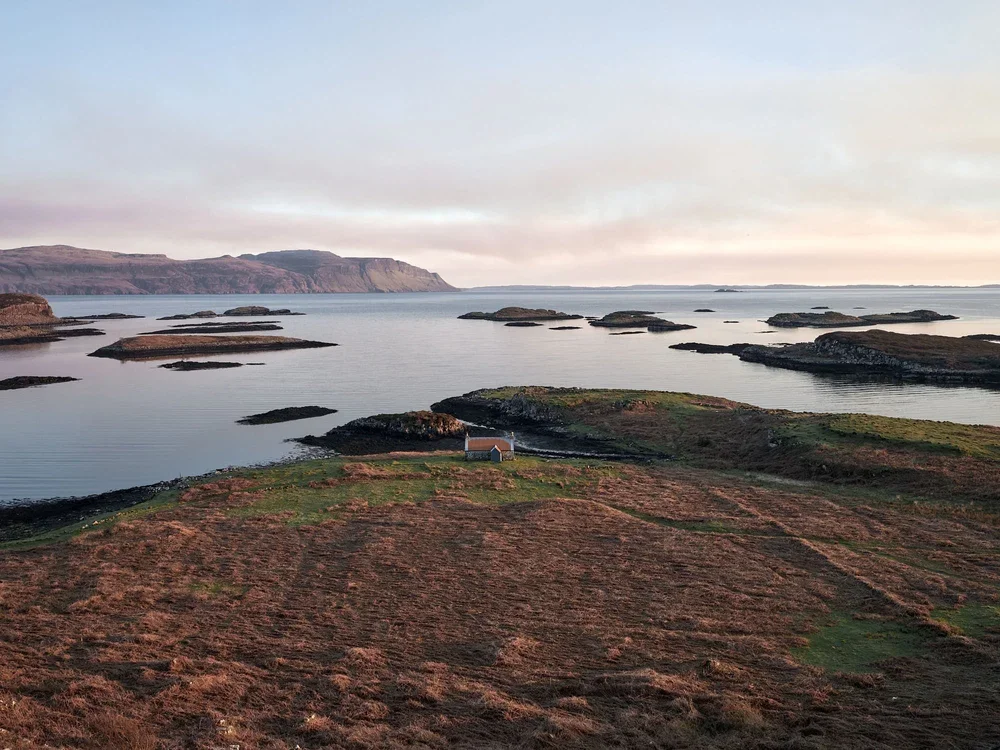
  • "The islands are a kind of silence made physical."

    Adam Nicolson inherited the Shiants—uninhabited islands in the Hebrides, wild and miles from anywhere. Part memoir, part natural history, this is his meditation on owning a place shaped entirely by isolation, weather, and sea. Solitude here isn't loneliness but freedom—remoteness not as deprivation but privilege.

  • Deeper explorations of silence and solitude

    A Book of Silence by Sara Maitland: Part memoir, part intellectual history.

    Biography of Silence by Pablo d'Ors on the joy of silence.

    Retreat by Nat Segnit on stepping back from the world.

    The Desert Fathers translated by Helen Waddell, fourth-century texts on hermit spirituality.

    Silence: The Power of Quiet in a World Full of Noise by Thich Nhat Hanh on zen stillness.