Quiet Stays
A personal selection of places I’ve noted for curiosity, interest, or potential stays—not recommendations or endorsements.
-
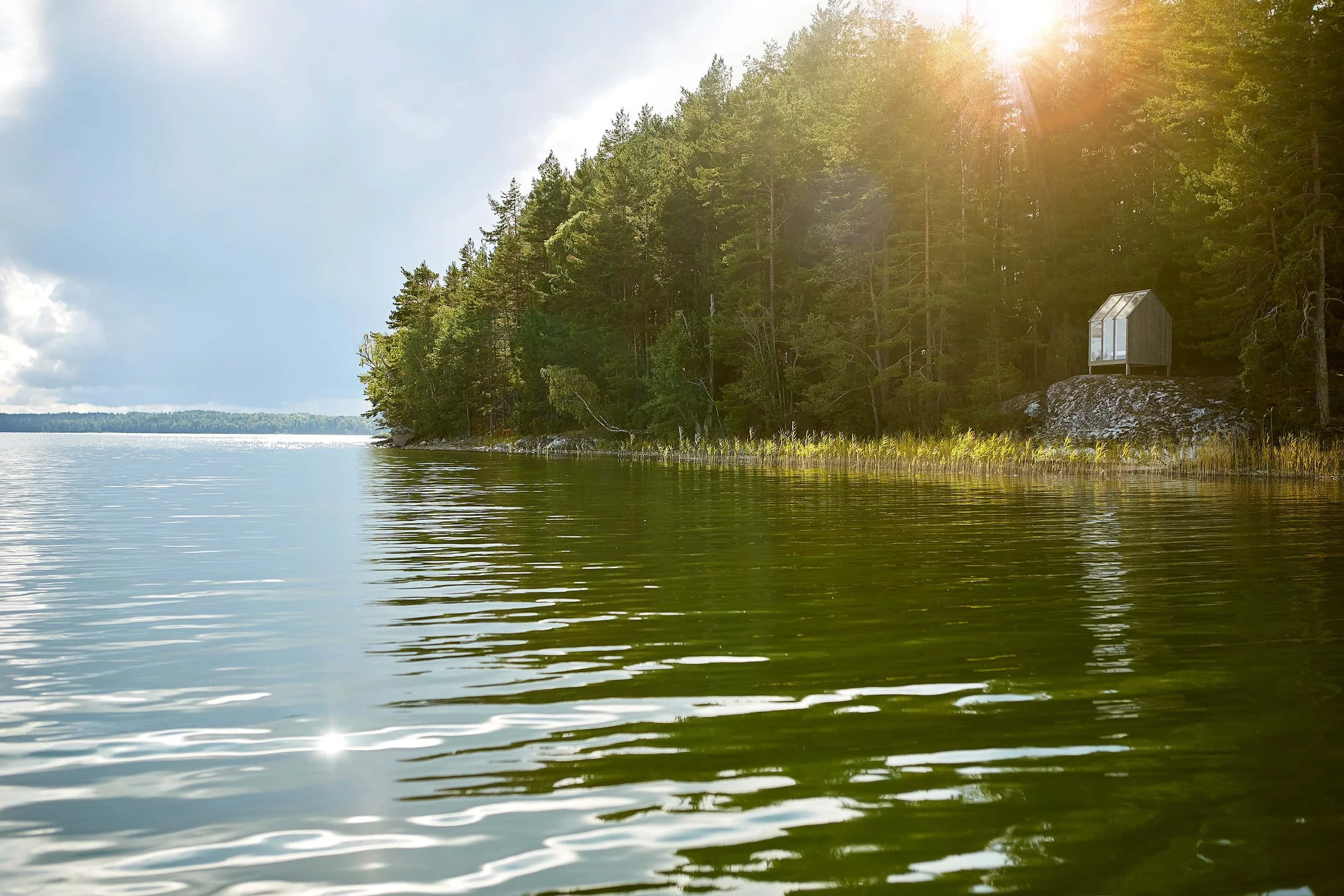
The 72 Hour Cabin — Henriksholm Island, Sweden
Five spruce‑framed glass cabins stand on stilts over-looking the beautiful Lake Ånimmen.
What’s interesting here is that the cabins were originally built in 2017 for a three‑day study into stress reduction. You’re basically sleeping in a transparent box, the lake and sky on all sides, with no real separation from weather or changing light.
There’s no electricity, no Wi‑Fi, just a short walk to a service building that I imagine would feel like a crossing point between two different worlds.
Price: £££
-
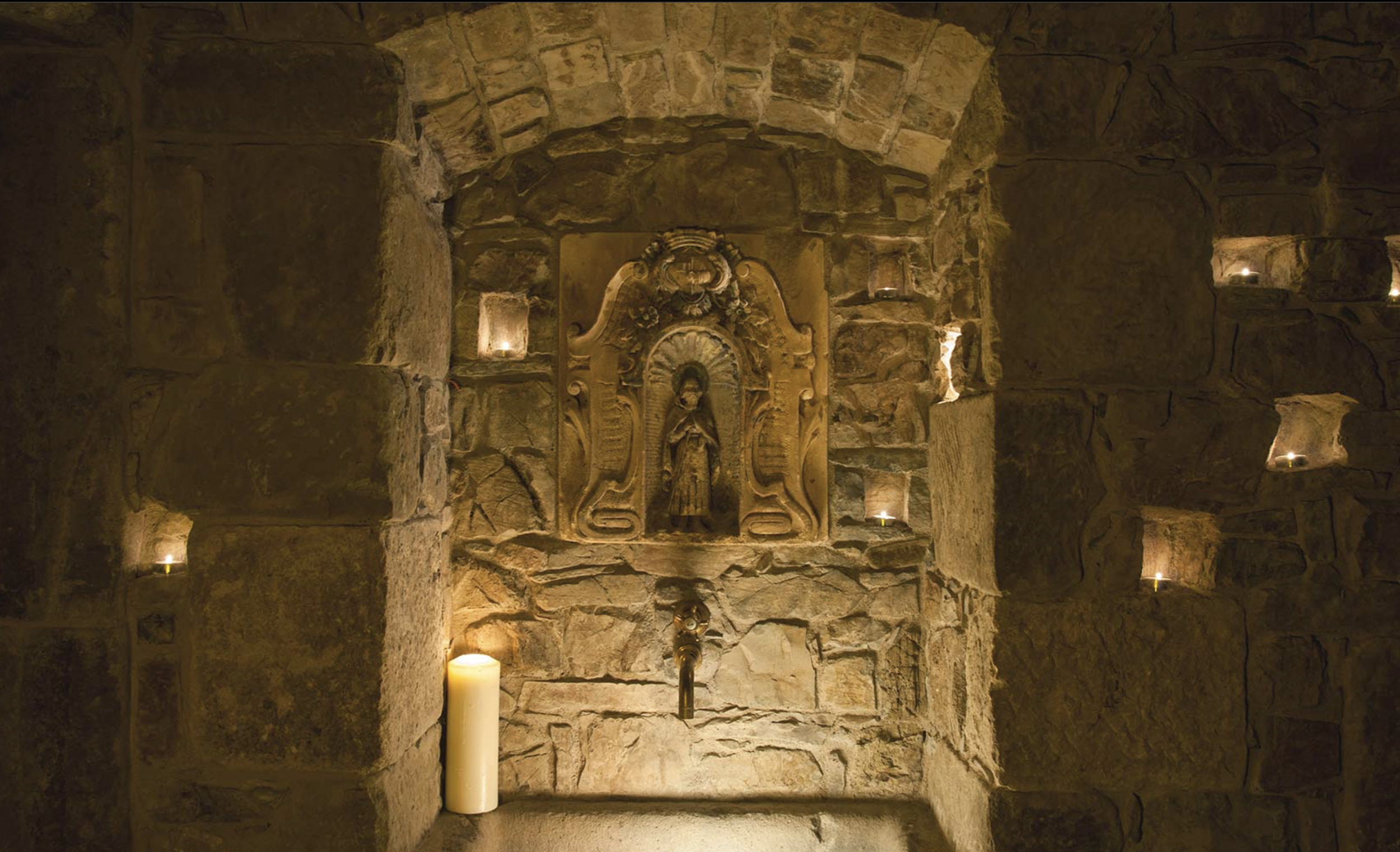
Eremito — Umbria, Italy
A restored 14th-century hermitage on a hill above the Chiani River valley, set inside a 3,000‑acre UNESCO Biosphere Reserve.
Eremito reopened in 2013 after four years of restoration by Marcello Murzilli, and it still looks more like a contemporary monastery than a hotel. Fourteen small “celluzze” – minimalist monk‑like rooms with stone desks and hand‑sewn hemp sheets – look out over the valley from an off‑grid estate with no Wi‑Fi, no TV, no mobile signal.
Communal dinners by candlelight with Gregorian chant, no talking at the table, then a scheduled siesta. Sounds sublime to me.
Price: ££
-
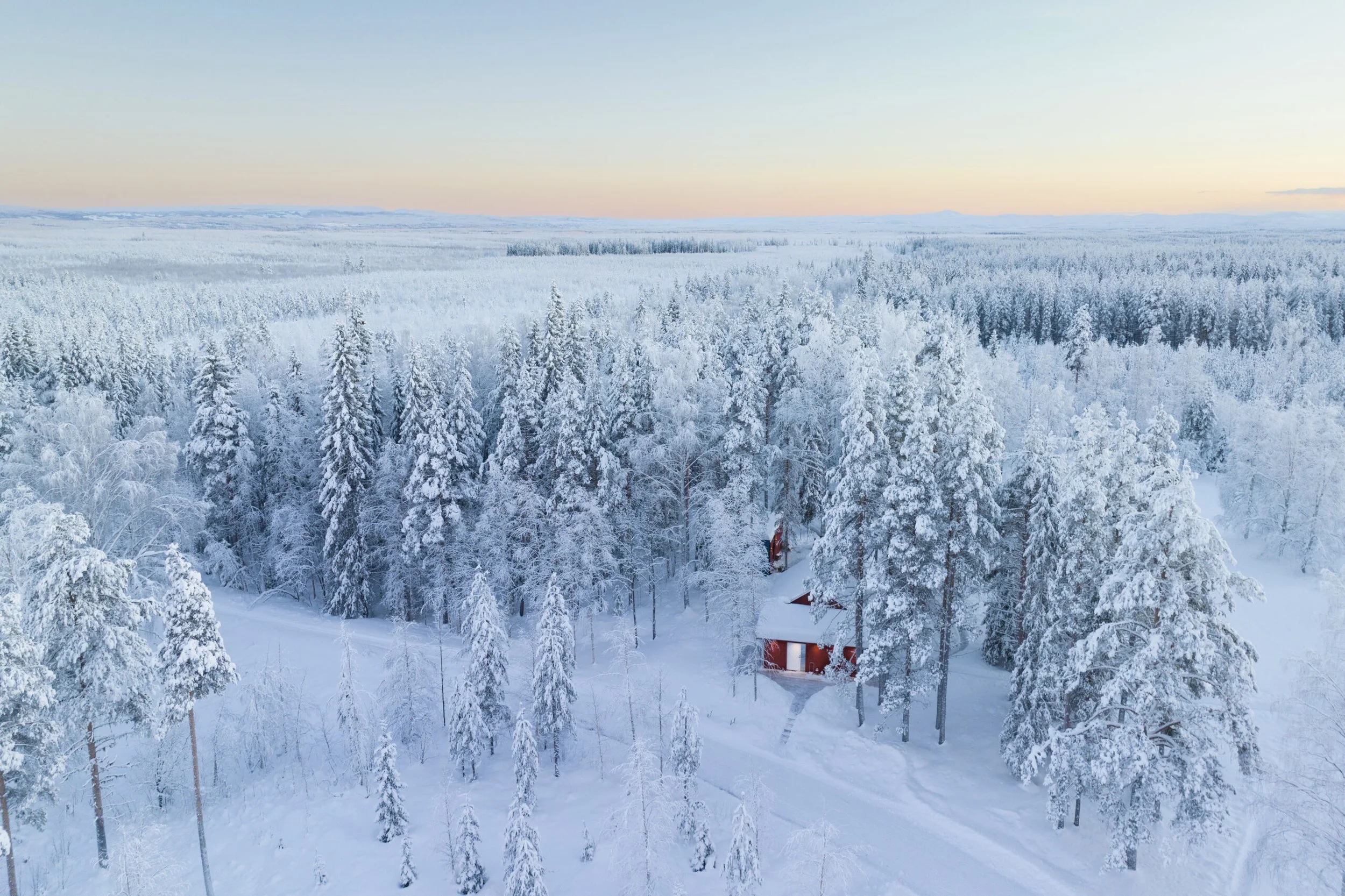
Loggers Lodge — Swedish Lapland
This exclusive-use lodge sits in the heart of a remote boreal forest, in the stillness of Swedish Lapland, with 5-star catering delivered to your door.
Loggers Lodge offers a unique mix of cabin vibe with warmth and luxury details: reindeer skins and sheepskin-clad Lamino chairs, a glass-framed fireplace at the foot of the bed, sauna and outdoor hot tub steps away.
No surrounding lights means a star-filled sky and a nearby clearing where you can watch the Northern Lights, five kilometres from the nearest neighbour, total silence all around.
Price: £££££ -
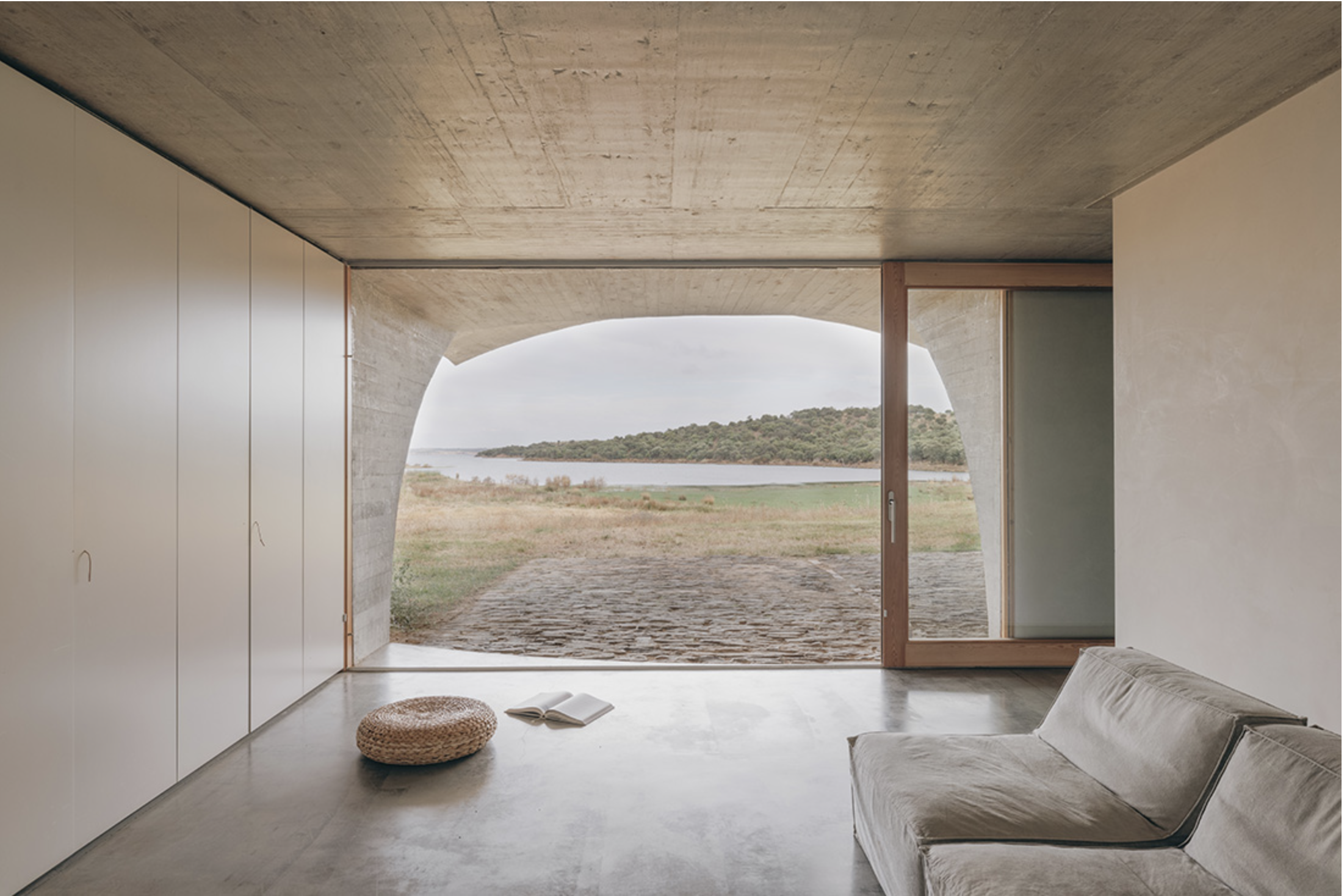
Casa na Terra — Monsaraz, Portugal
Casa Na Terra is a property in the Silent Living Collection, set amid the soft rolling hills of Portugal’s Alentejo region.
Casa Na Terra which means “house in the land”, is built into the surface of the earth, which creates a heavy, subterranean silence. The only visible element of the house is a canopy, with a circular skylight.
Inside the house are subtle interiors, natural woods and bespoke furniture crafted by local artisans. The project was designed in collaboration with the architect Manuel Aires Mateus, and is designed for the slow life.
Price: £££
-
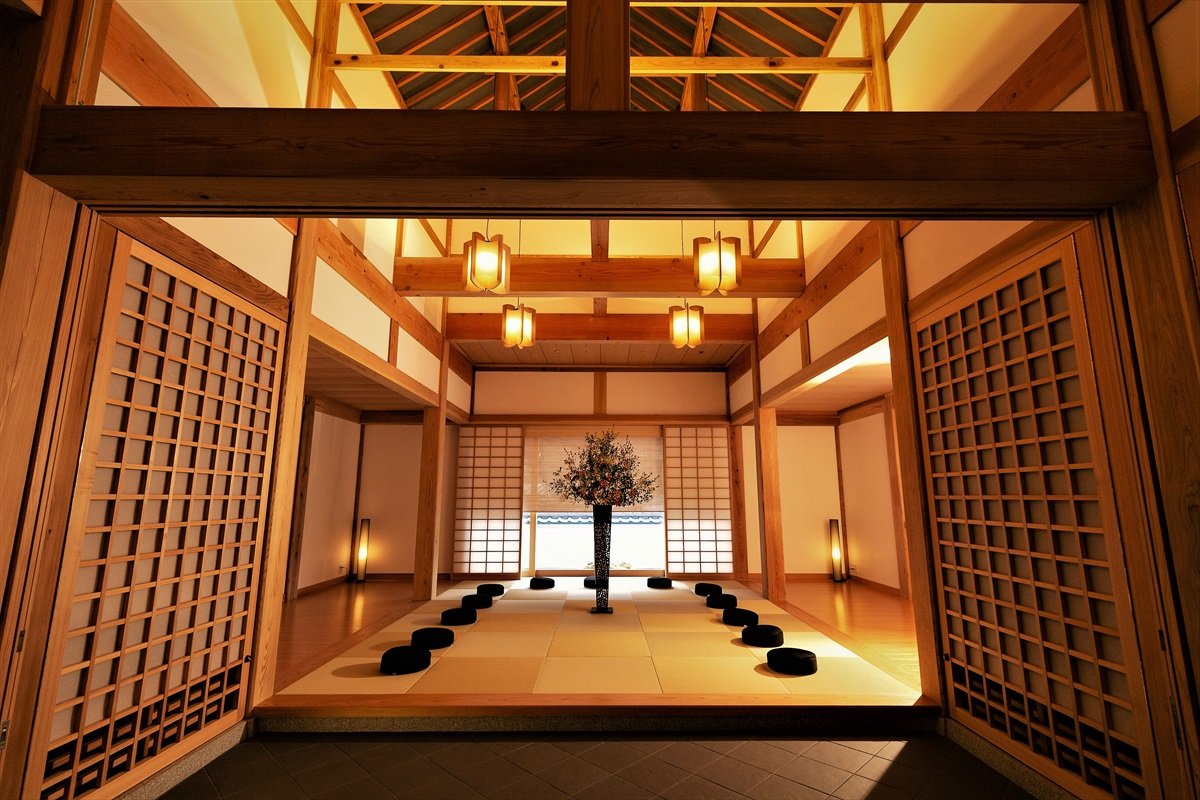
Eiheiji Temple — Fukui, Japan
The mother temple of Soto Zen, founded in 1244 by Dogen Zenji deep in the cedar forests of Echizen’s mountains—one of Japan’s largest Zen complexes and still a working training ground for hundreds of monks.
The unique things here is the immersion: foreign guests follow the monks’ full schedule—4 a.m. zazen meditation, silent oryoki meals where every gesture is practice, samu work like sweeping leaves or washing stone paths. There are no tourists after daytime hours; you’re inside the cloister walls, breathing the same mountain air as the zen monks.
Price: £-££ (depending on accommodation)
-
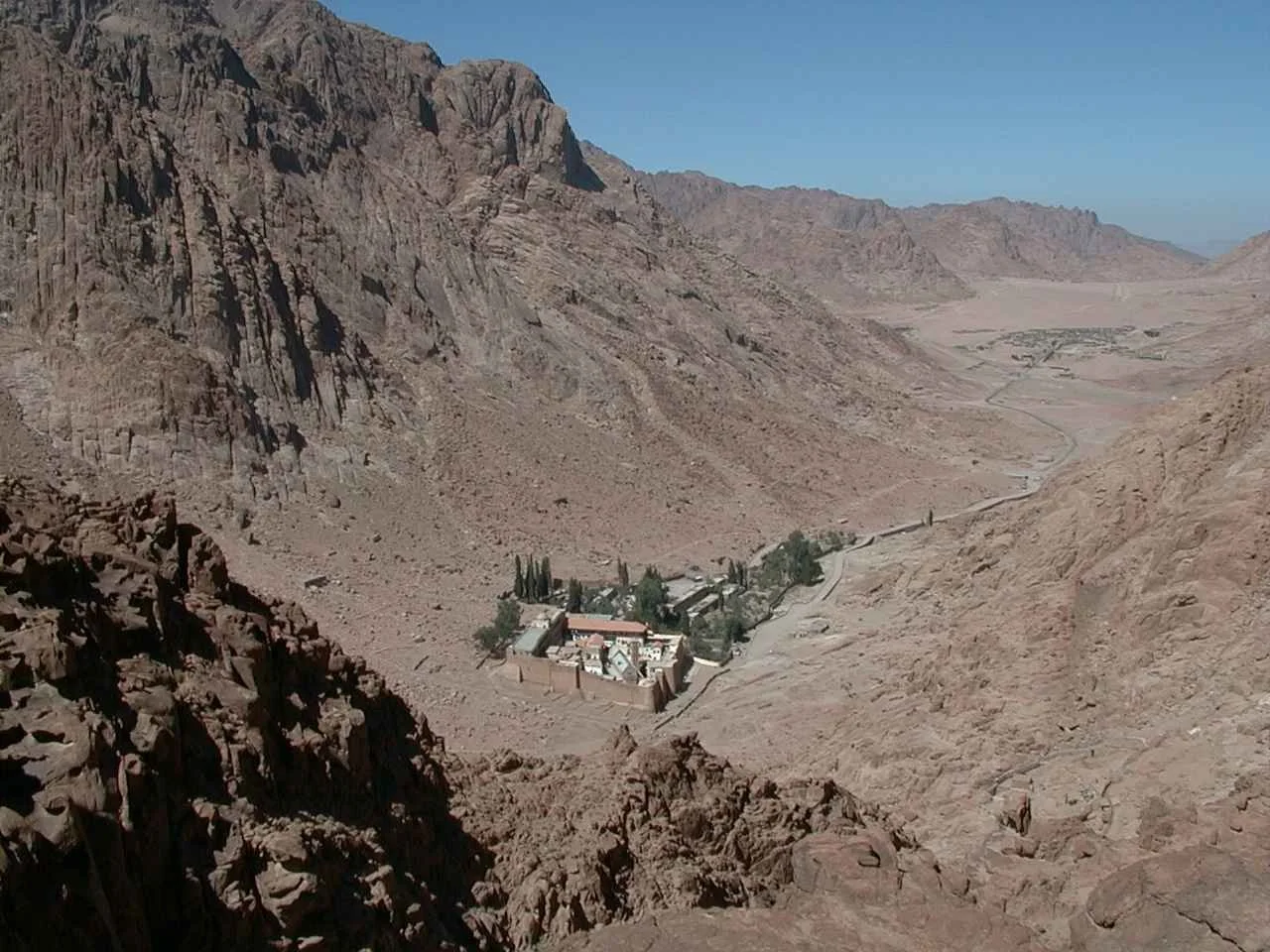
Saint Catherine's Monastery — Sinai, Egypt
The oldest continuously inhabited Christian monastery in the world, built between 548 and 565 at the foot of Mount Sinai by Emperor Justinian. Supposedly to enclose the site of Moses’ burning bush—and it has stood for seventeen centuries.
To stay at the guesthouse is to sleep right next to that ancient history, predating all the Christian world’s divisions. Tucked between three mountains inside fortress walls built to shield sixth-century anchorites, the guesthouse gives access day-trippers miss: the sacred quiet of early mornings and late evenings.
Price: £
-
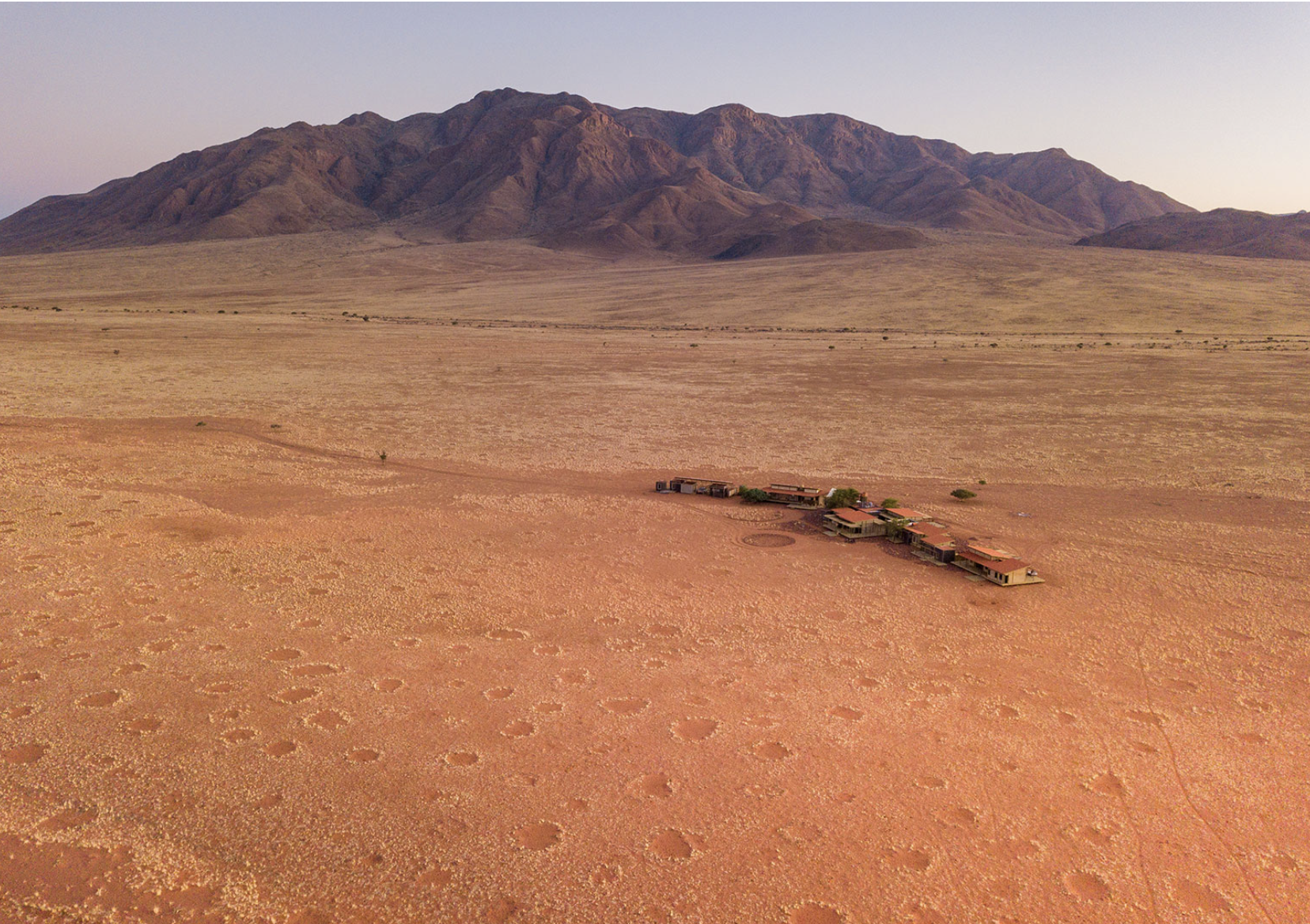
The NamibRand — Namibia
This private reserve in southwestern Namibia was named Africa’s first Wilderness Quiet Park in June 2024—only the fourth public space in the world to get that status.
This private reserve covers over 200,000 hectares and the accommodation across six camps is kept ultra-low: roughly one bed per 3.9 square miles.It’s not all gazing into the emptiness though—there are e-bike safaris through red dunes and stargazing under the Gold Tier, starry skies with minimal light pollution.
Price: ££££ -
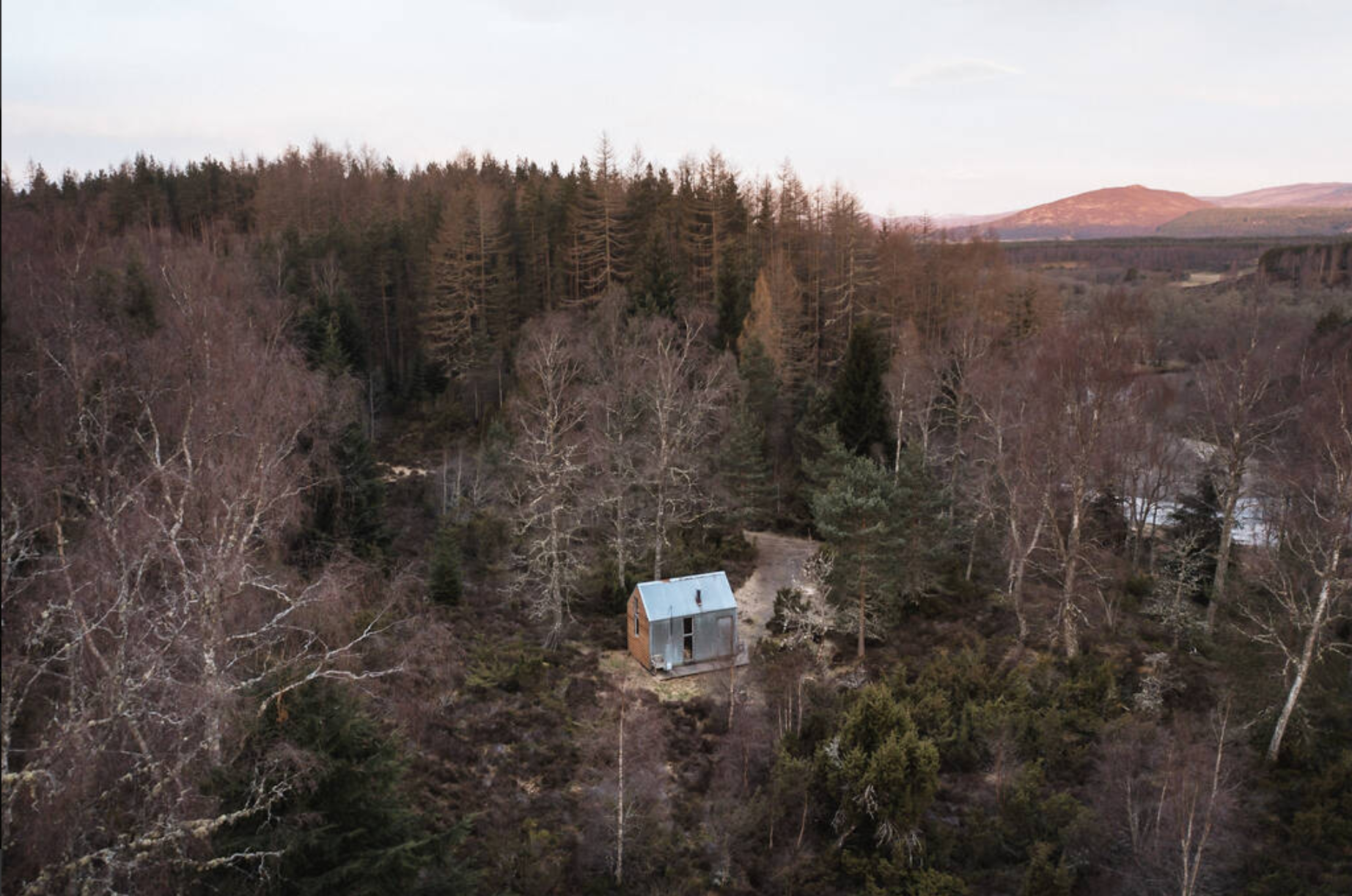
The Bothy at Inshriach — Scotland
An architect designed bothy tucked into a clearing above the River Spey amid native birch and Scots pine in the wilds of the Cairngorms.
Originally built to offer artist's residencies, The Bothy at Inshriach is now open to all in search of the same peace and quiet.
Solar panels provide minimal electricity; composting toilet and stove-heated shower sit outside. Off-grid, modest, and the perfect spot for a digital detox.
Price: ££
-
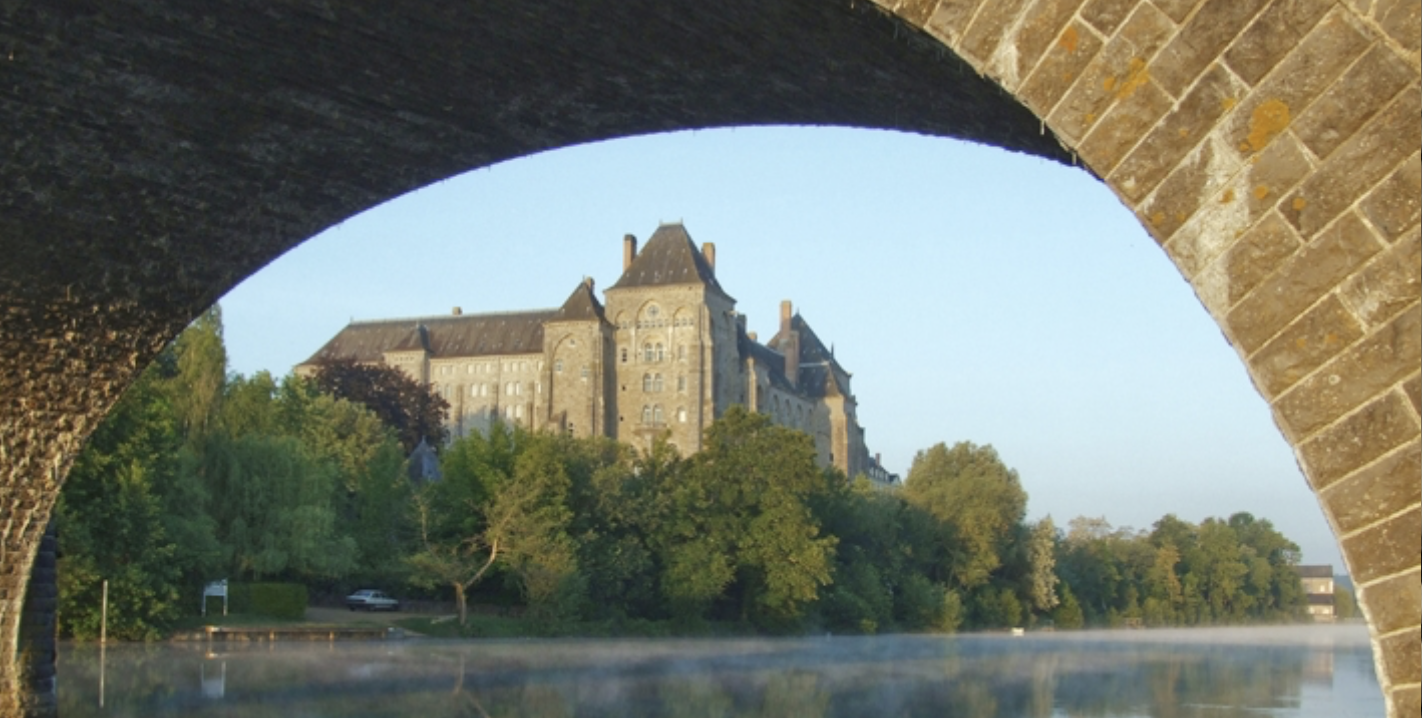
Solesmes Abbey — France
A thousand-year-old Benedictine monastery on the Sarthe River where silence still shapes monastic life—men can stay one to seven days in the guesthouse inside the enclosure, sharing meals with the monks.
Solesmes Abbey is a place where you can experience the ancient rhythm of the monks day: Mass and offices sung in Latin and Gregorian chant that has nothing to do with productivity or recreation. This stay is about a form of communal contemplation carried forward through the ages.
Price: £