The World Is the Size It Always Was
Travel Beyond the Algorithm
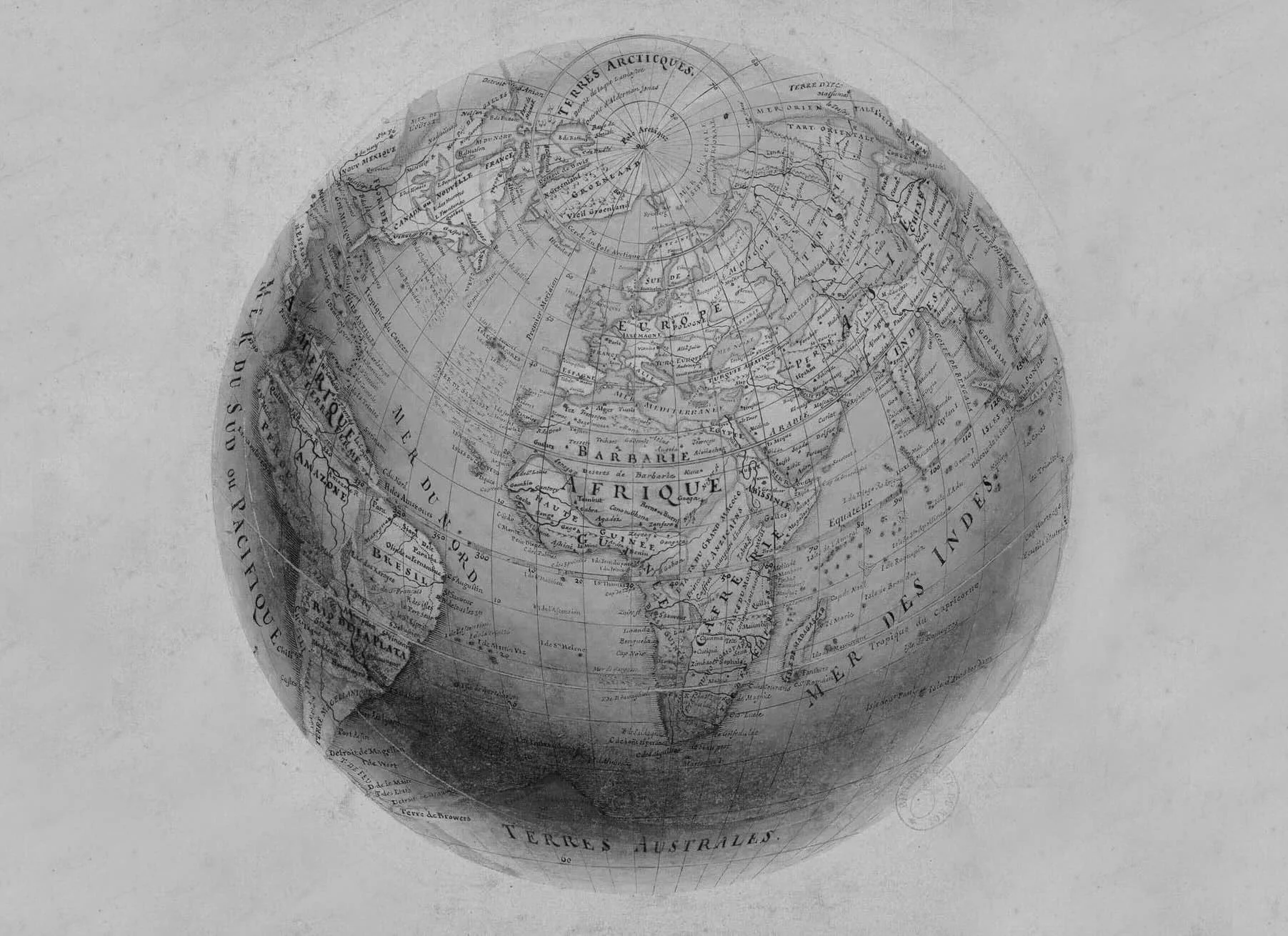
Représentation d'un globe terrestre. Bibliothèque nationale de France. Date of creation: over 120 years ago. Creative Commons.
A glance across the internet suggests the globe has shrunk — that tourists have blanketed every corner, and nothing remains to astonish us. But this is a digital illusion.
While the golden age of travel may have shifted — we can no longer see the Bamiyan Buddhas or cross the Sahara as a previous generation once did — the world itself remains vast. Much of it is still overlooked and under-imagined, waiting for the traveller who approaches not as a consumer of sights, but as a witness to a place.
In Tibet, I remember the sudden realization that the digital map had run thin. This was a place that barely registered on Google; reaching it required a leap of faith. I didn’t know what I would find. There were days riding motorcycles with nomads across high pastures, the ancient silence of monastery sanctums. In a mountain cave, meditating with a High Lama, the world felt enormous again. These experiences demanded a quality of attention that famous places rarely require.
As impressive as the canonical wonders are, the experience of them is often filtered through collective expectation. We dodge selfie sticks and hawkers; the spectacle of the site begins to displace the encounter itself. It becomes easy to confuse seeing with experiencing, or consumption with transformation.
My most profound moments have happened in the in-between places. Three weeks on an expedition across the creaking expanse of the Greenland ice cap. Quiet evenings beside lesser-known ruins along the Inca Trail. A week alone in a bothy on the Isle of Ulva in Scotland.
The world has always travelled en masse — I only have to look at my parents’ holiday photos to know that. What’s new is how thoroughly our journeys are now steered by algorithms, funnelling us into the same few frames. The result is a under-imagination: a poverty of curiosity disguised as discovery.
To travel well requires a heightened state of awareness. Pico Iyer describes it as being “mindful, receptive, undimmed by familiarity and ready to be transformed.” This can’t be optimised or scheduled. It asks for a little risk, maybe some discomfort, and a willingness to be changed by what we encounter.
Uncharted territory isn’t always about distance. It’s about travelling differently—choosing slowness over speed, encounter over spectacle.
Beyond the digital noise, travel still offers the chance to learn, to unlearn, and to rediscover a sense of wonder—if we know how to look.