Different Ways of Going
Ideas for Imaginative Travel
The world is the size it always was — but the digital world can shrink our imagination. More and more people are travelling for leisure, yet increasingly they’re funnelled into the same places, the same seasons, the same tours, the same selfie spots.
Here are some ideas for stepping beyond this poverty of imagination. These aren’t rules, but invitations — ways of travelling that resist the algorithm and return you to the world as it actually is: varied, unpredictable, and capable of wonder.
Travel off‑season, or pre‑season. Places feel different before the crowds arrive. My pre‑season journey through Torres del Paine was a reminder that timing can make a trip.
Look sideways, not backwards. If a place feels over‑exposed, choose somewhere adjacent. Raja Ampat instead of Bali; Folegandros instead of Santorini; Bosnia and Herzegovina instead of Dubrovnik; Djanet instead of Merzouga. The world is full of lesser‑trodden alternatives hiding in plain sight.
Go early or stay late. If you need to see the Acropolis, the Colosseum or the Taj Mahal, go at opening time. You may have the place almost to yourself. Staying late can work too, though there may always be someone with a drone at sunset on the Old Man of Storr on Skye.
Road trip. Road trips remain one of the last democratic frontiers of discovery. Draw your own line across a map. And if you follow a classic — the NC500, for instance — drift to its wilder side.
Go on foot. “The world reveals itself to those who travel on foot,” said Werner Herzog. There’s no better way to know a city than to tread its streets, meet its people, and let chance encounters shape the day. Become a flâneur or flâneuse for an afternoon.
Bin the bucket list. Few things feel more representative of our age’s cultural flattening than the “bucket list.” It’s the spontaneous moments that make travel rich, not the ones loaded with sky‑high expectations.
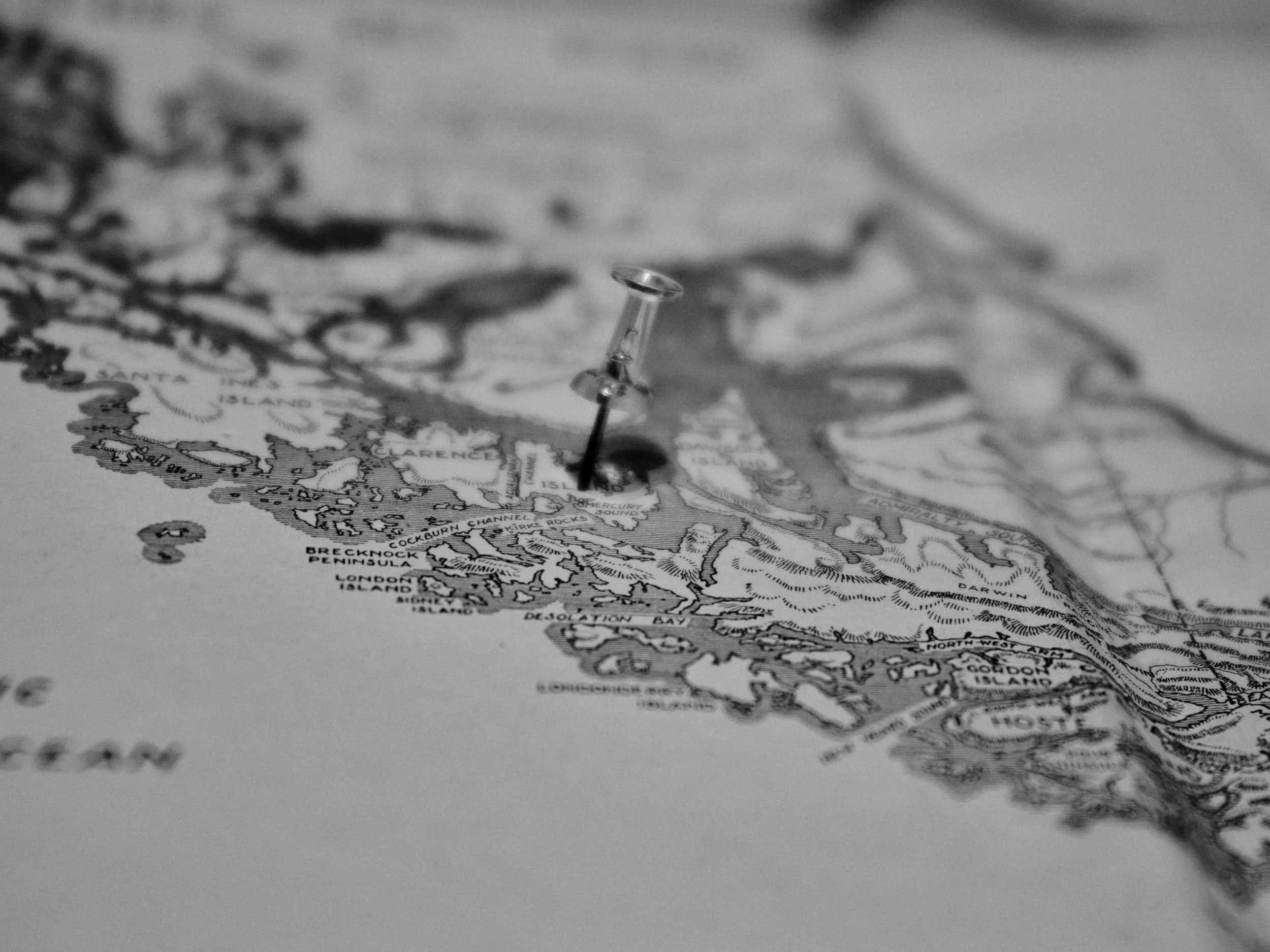
Put a pin in the map — literally. The most memorable places are often the ones with the least information available. Some of my best journeys began with nothing more than a finger pressed against a patch of atlas. That’s how I ended up in Nangchen County, a former Tibetan kingdom: no plan, barely anything on Google, just a point on a map and a willingness to see what might happen.
Your life is not a listicle. Don’t let someone else run your trip like a sergeant major. Find your own favourite café in Cairo; leave room for originality, chance encounters and joie de vivre.
Stay where the signal fades. Bothies, cabins, off‑grid stays — these places force a different kind of attention. To the landscape, to the people you’re with, to yourself. A week alone on the Isle of Ulva taught me more about travel than any famous viewpoint.
Root yourself to one place. Get to know a neighbourhood properly. Spend an afternoon in every café on a long street and watch the comings and goings. Travel doesn’t have to be a breathless yomp through multiple tourist sites.
Turn your phone off. A big ask, but worth it. Without your phone, you’re more present in the place you’ve spent money and life‑energy to reach. Navigate with a map or a guidebook; ask a local for directions or suggestions. Experience the world outside the digital frame.
Follow travellers, not influencers. Instagram still has people who travel with curiosity rather than performance. I travelled to the Algerian Sahara after following someone with deep ties to the Tuareg. One connection opened a world no listicle could show me.
Let literature be your compass. Some journeys begin long before you arrive. Trace Bashō in Tōhoku. Follow Keats through Scotland. Walk with Camus in Algiers. Follow Bruce Chatwin’s erratic line through Patagonia. Shadow Nan Shepherd in the Cairngorms. A literary journey gives you a lens, a question, a companion. Lucas Bridges’ The Uttermost Part of the Earth shaped my time in Tierra del Fuego.
Make your own pilgrimage. Take your obsessions with you: chocolate plantations in Costa Rica, jazz bars in Japan, spring blooms in the Netherlands, standing stones in England, rainforest immersion in Brazil, film locations in Scotland, land art in America. I return to Scotland regularly in an attempt to visit every whisky distillery.
Leave the tourist honeypots. Spend a few days in Marrakesh, then head into the Morocco few people see: half‑empty Saharan roads, forgotten forts, remote oasis towns, Berber hospitality. I once took a magical mystery tour of Morocco with someone who wrote the guidebook.
Stay longer than you think you need. Live somewhere for a week, a month, or longer. The more time you spend, the more a place reveals its second and third layers. Slowness builds intimacy.