Wonders of the Algerian Sahara
A taste of the natural wonder that lies within the Tassili N’Ajjer National Park in the south-eastern Algerian Sahara.
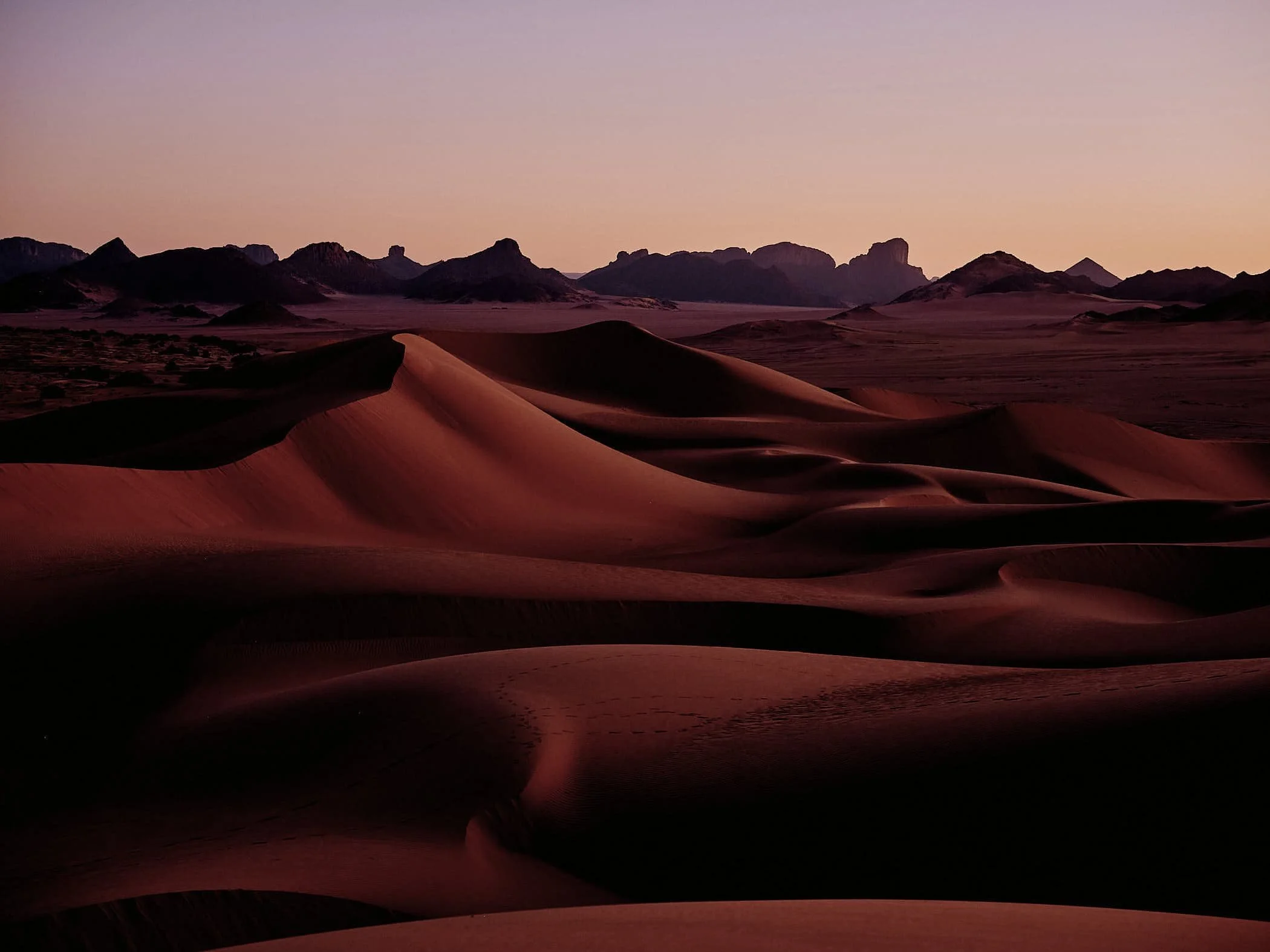
Saharan Sunrise
The Tassili n'Ajjer is frequently noted as one of the best locations on Earth for watching the sunrise. Watching the daybreak from a from the dunes of the Tadrart Rouge is a surreal experience as the sun paints the sand dunes and red sandstone rocks with intense gold, orange, and red hues. Pre-dawn in the Tassili is typically characterized by deep, complete silence, often in very cold temperatures before the heat of the day sets in.
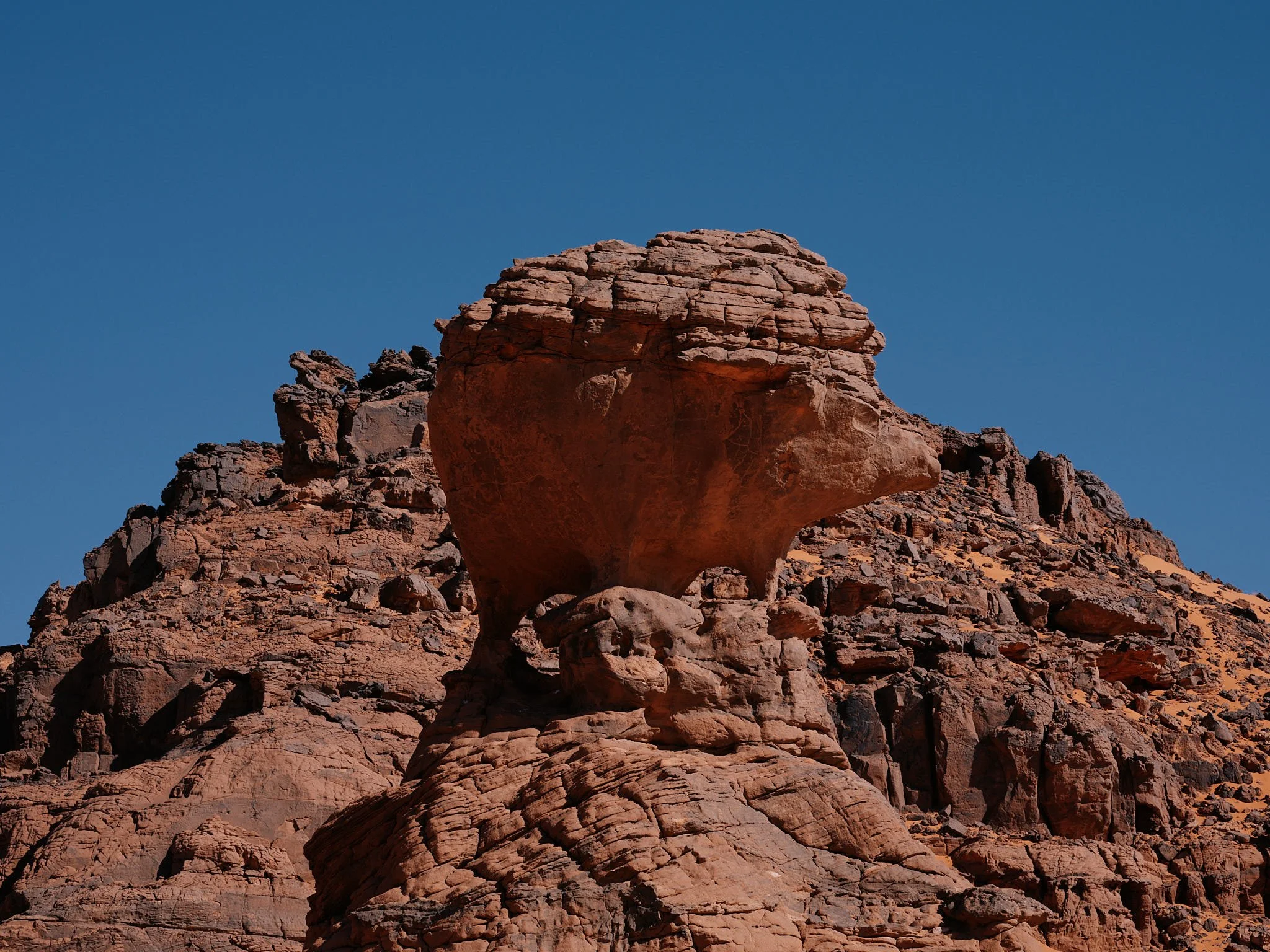
The Hedgehog
A freestanding sandstone monolith near Tamrit, eroded into a shape so distinctly spiky and organic it appears deliberate. The formation demonstrates the abrasive power of sand-laden wind at ground level, where the rock has been undercut and shaped over millennia. Scale is difficult to judge in the desert; the Hedgehog is roughly the height of a three-story building.
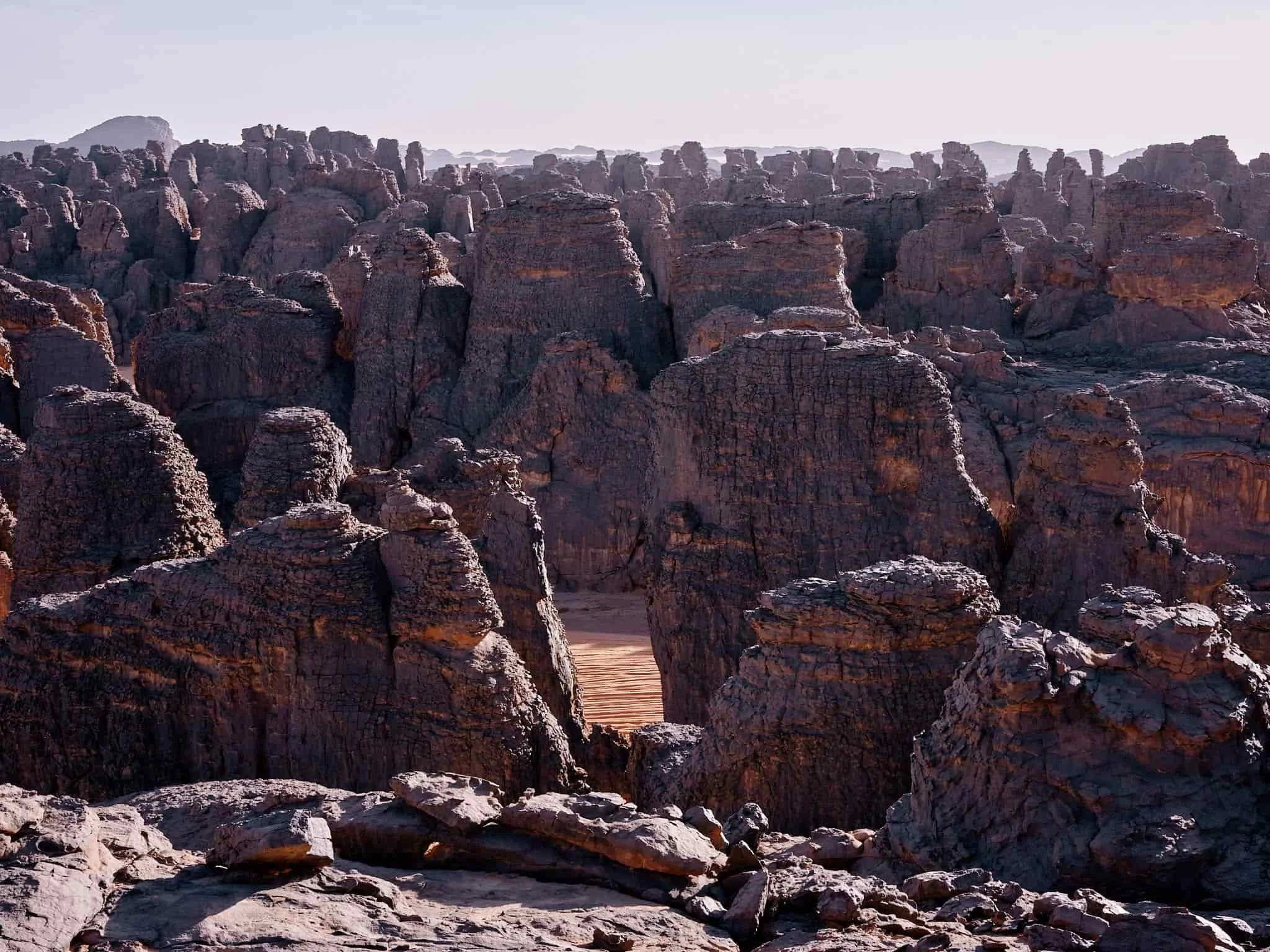
The Rock Gardens (Stone Forests)
Areas across the plateau where erosion has created dense concentrations of tall, thin rock spires—some reaching 20 meters high and only a meter wide at the base. Walking through these sections feels like moving through a sculpture park with no curator, where every formation is accidental and temporary. The rock is friable; you can crumble pieces between your fingers. These formations are being slowly dismantled by the same forces that created them.
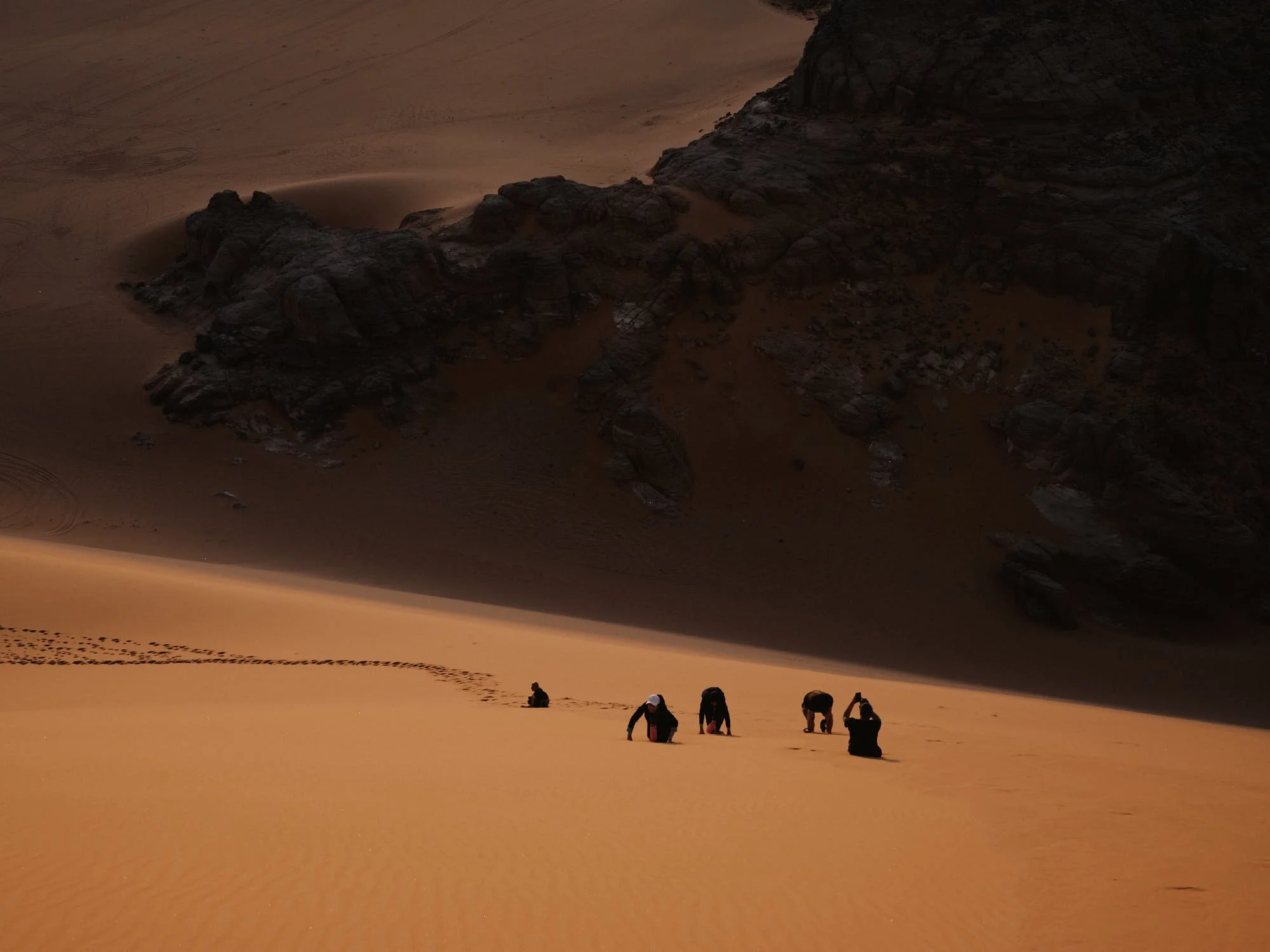
Tin Merzouga: The Red Dunes
The red dunes of the Tadrart Rouge, where iron oxide concentration gives the sand an almost vermillion color in direct sun. The dunes here are among the highest in the Sahara, some reaching 200 meters. Climbing them is physically exhausting—each step up sends you sliding half a step back—but the view from the crest at sunset, when the light turns the sand sea copper, is worth the effort.
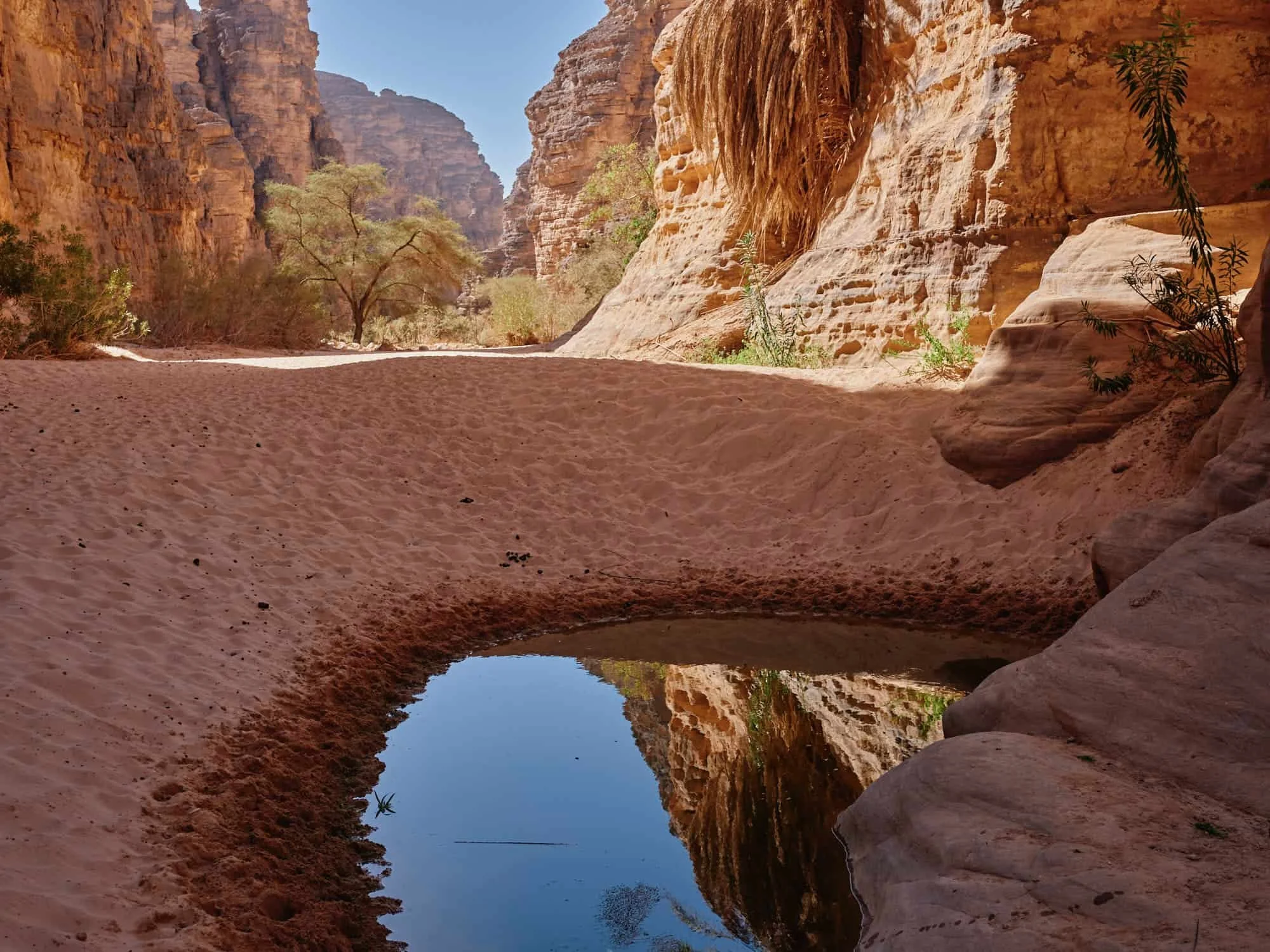
Essendilène Canyon
A narrow gorge cutting through the plateau, its walls creating shade and capturing enough moisture to support plant life—tamarisk, acacias, wild olive. The canyon floor holds a series of gueltas, natural pools fed by underground water. These pools sustain the canyon's small population of Barbary sheep and various bird species. The water is clear and cold, a strange luxury in a landscape where ambient temperature regularly exceeds 40°C.
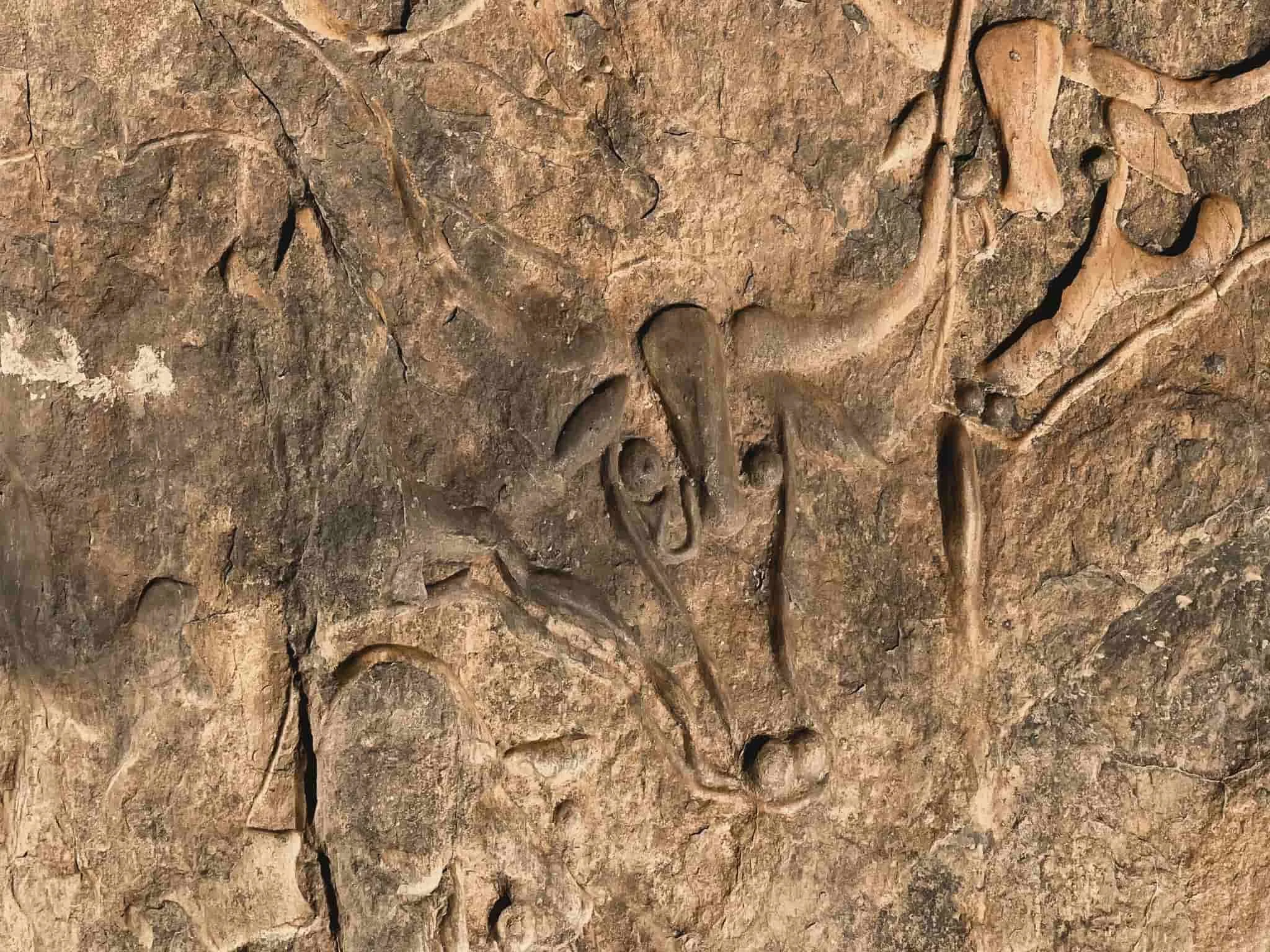
The Crying Cows (Aghram)
Neolithic engravings south of Djanet, depicting cattle with what appear to be tears on their faces. The prevailing interpretation is that these mark the transition from the African Humid Period to the Holocene's arid phase—the moment when the Sahara became desert. Whether this reading is accurate or romantic projection is debatable, but the images remain affecting: evidence of human witness to catastrophic environmental change, preserved in stone.
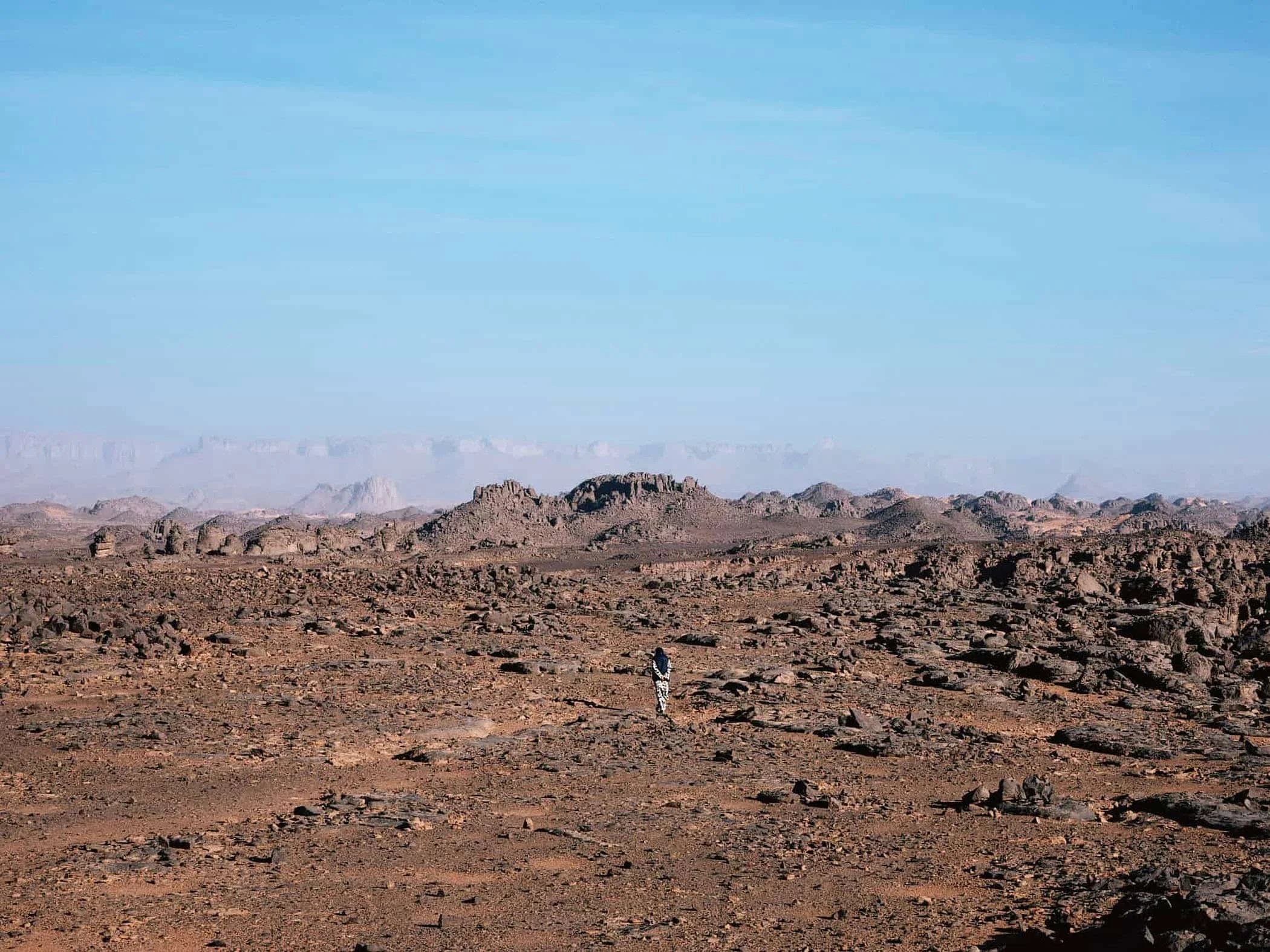
Gravel Plains
Gravel plains, known as regs, are the true dominant landscape of the Sahara. These vast ‘desert pavements’ of closely packed rock fragments have a dark, polished patina known as ‘desert varnish’, and have a grandeur of their own.
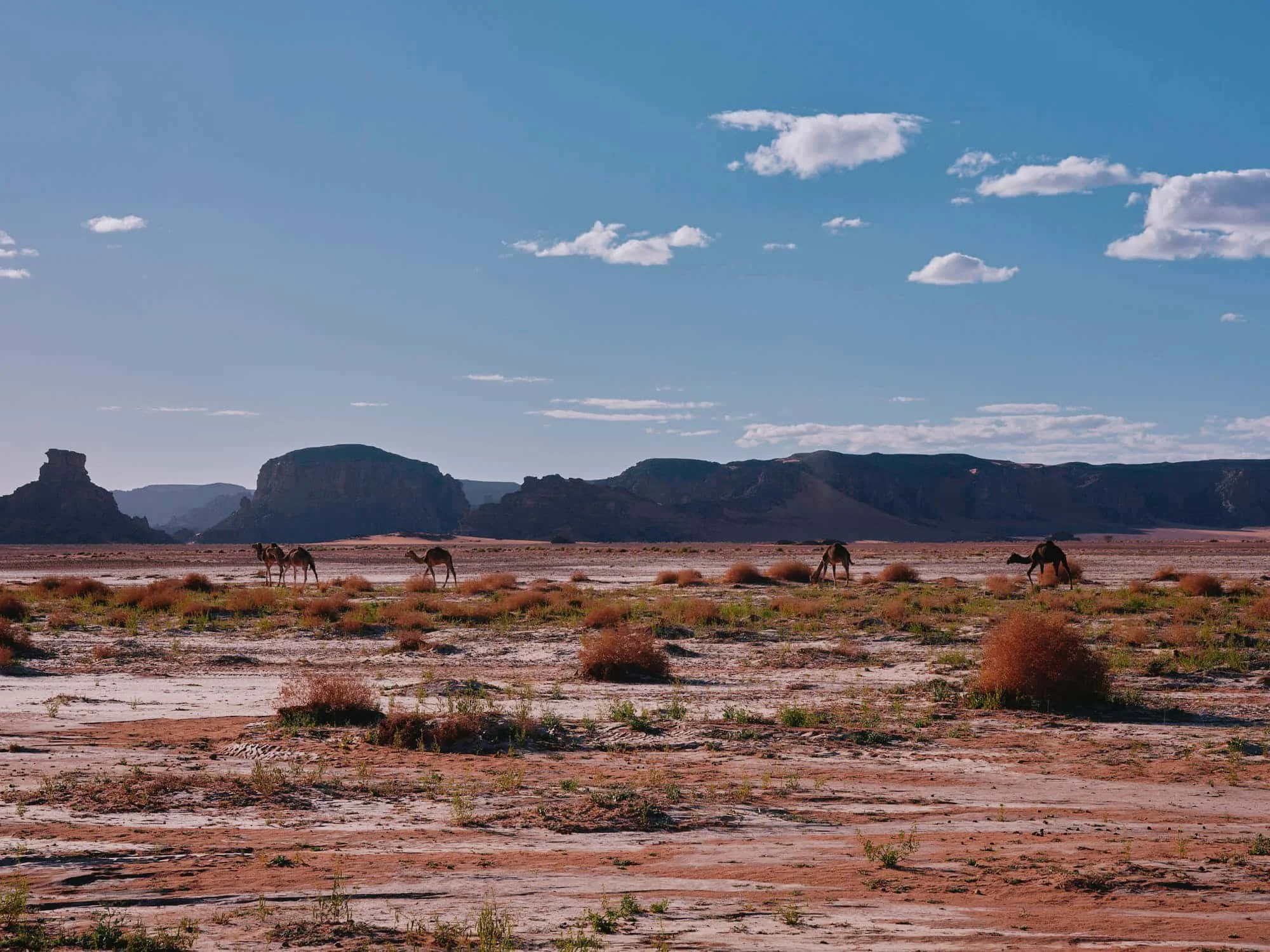
Wild Camels
The Tassili N’Ajjer plateau is one of the few places where you can still observe herds of wild dromedary camels (Camelus dromedarius). While most camels in North Africa are domesticated, these semi-wild populations roam the rugged, lunar-like landscapes of the national park, often grazing near wadis or at the base of the plateau's sandstone ‘rock forests.’
RELATED POSTS