Where to Trek with Camels in Algeria: Essendilène Sanctuary
Essendilène Sanctuary is the premier area to explore the Algerian Sahara Desert on a Tuareg-led walking camel trek, or méharée.
Why Trek with Camels?
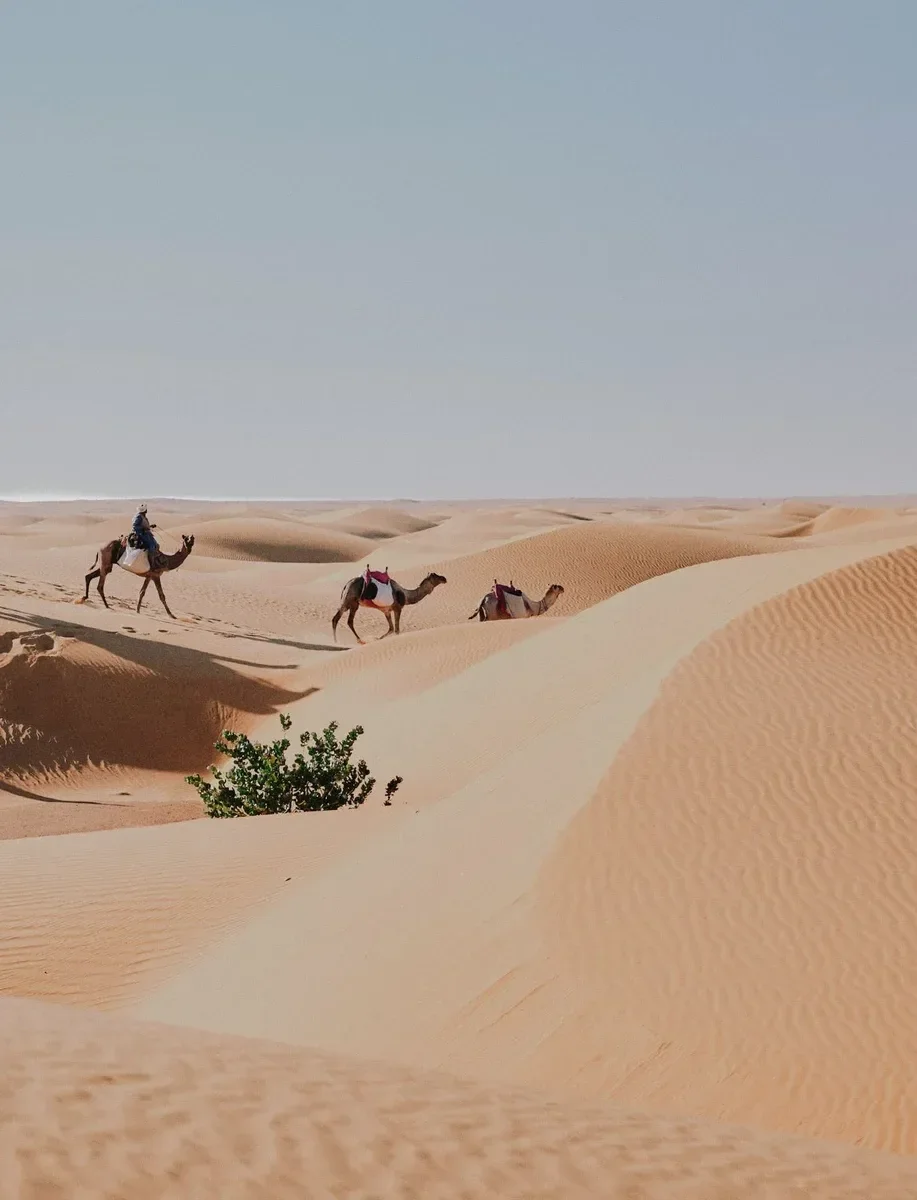
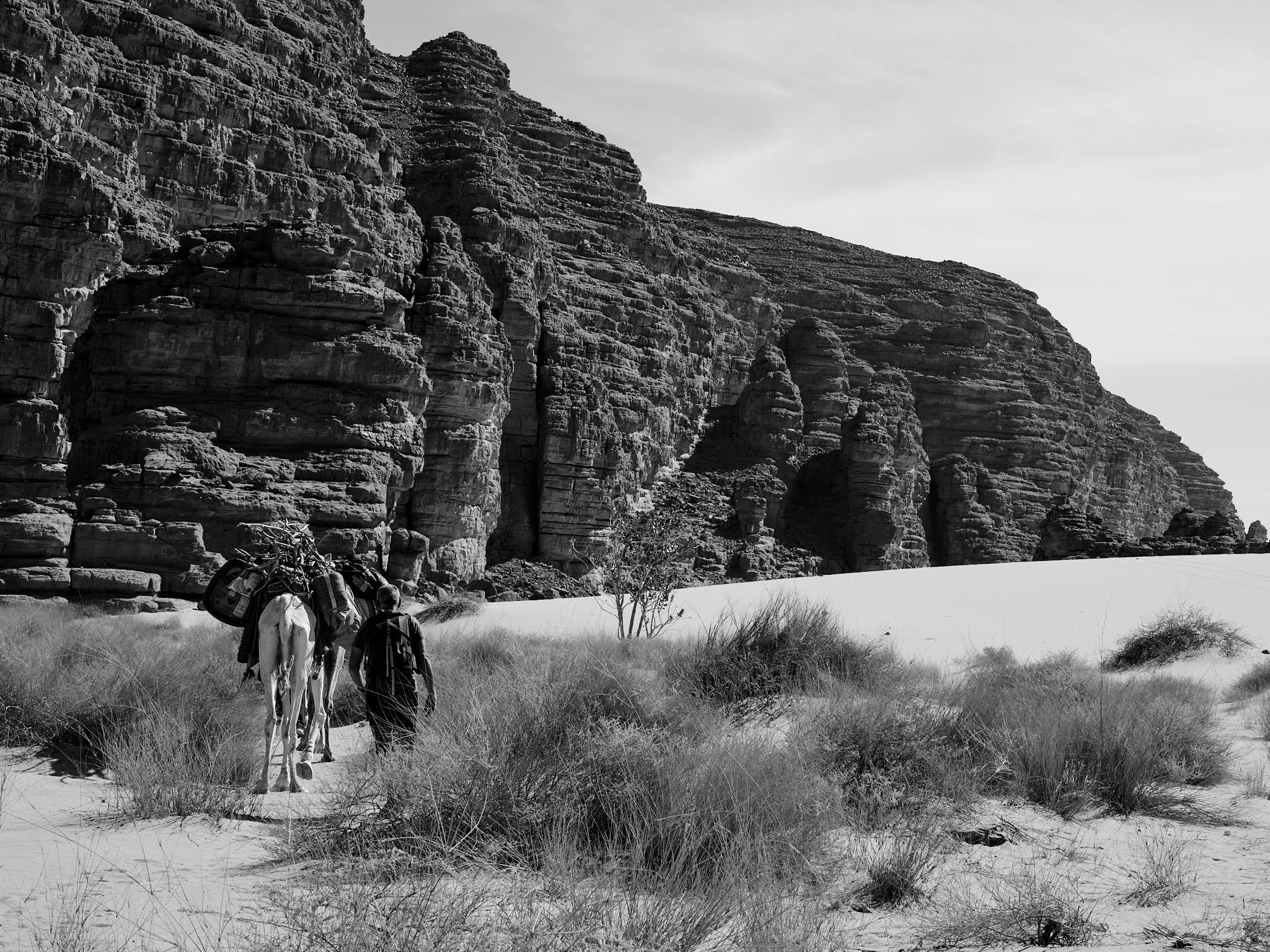
Unlike motorised tours designed to cover vast distances, a camel trek in Algeria focuses on depth rather than breadth. Typically journeying five to six hours a day at a steady walking pace, with travellers on foot while camels carry all expedition supplies.
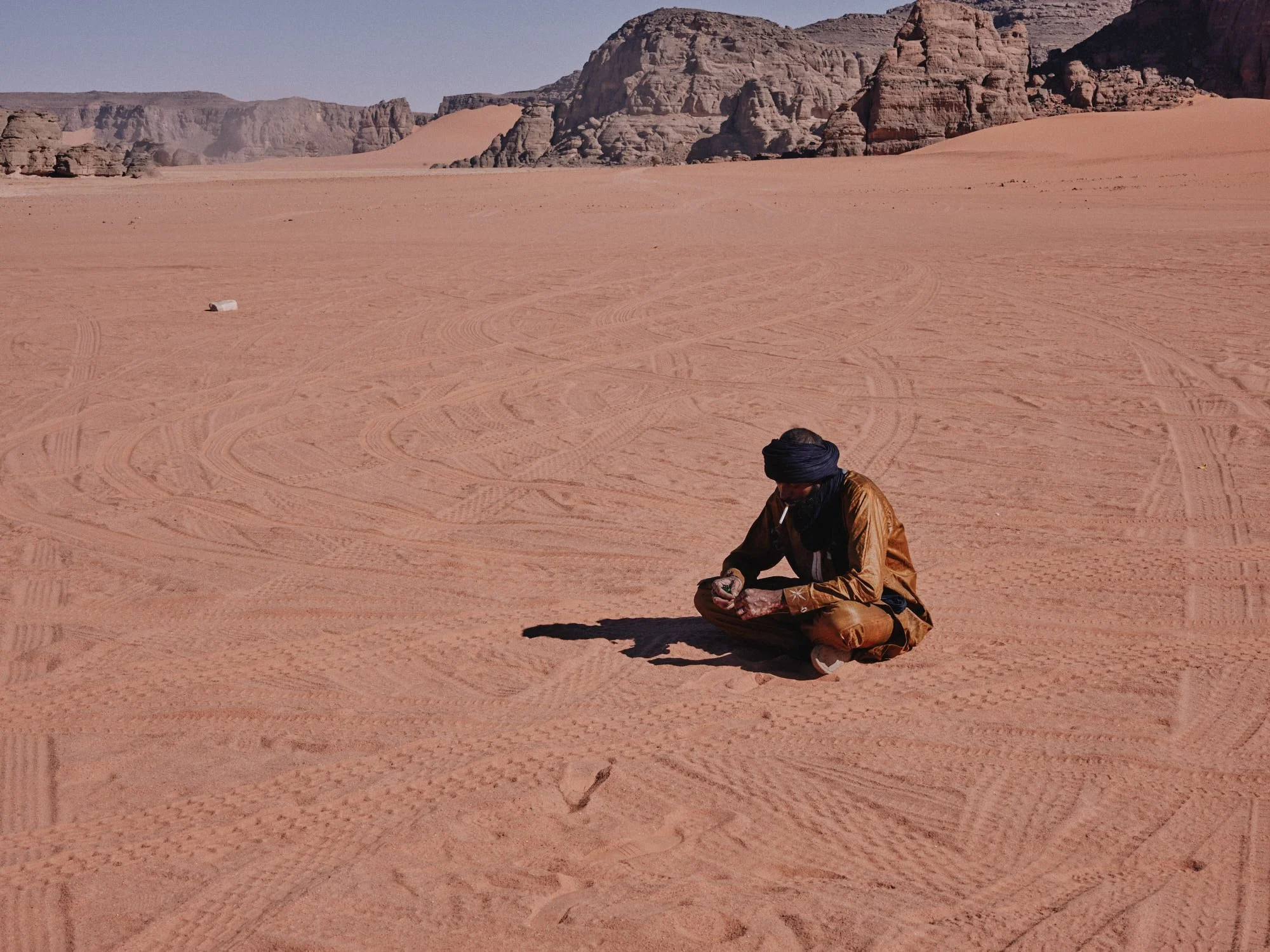
This style of travel is known as a méharée: a traditional Saharan journey led by Tuareg guides, shaped by rhythm rather than mileage. Moving this way sharpens attention — fox tracks in the sand, resilient desert plants, a brief spiral of wind lifting dust across the plain.
Why Essendilène Canyon?
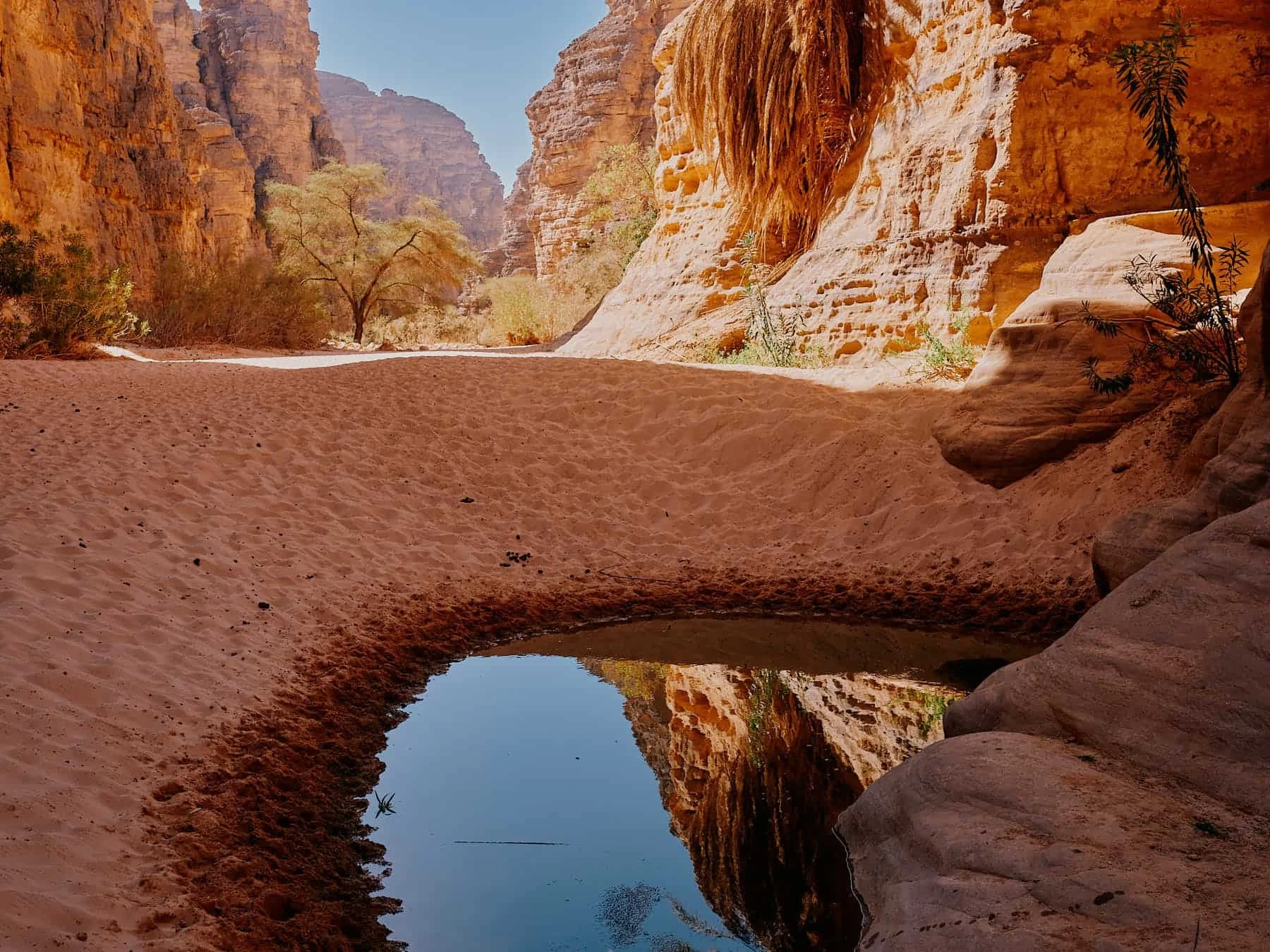
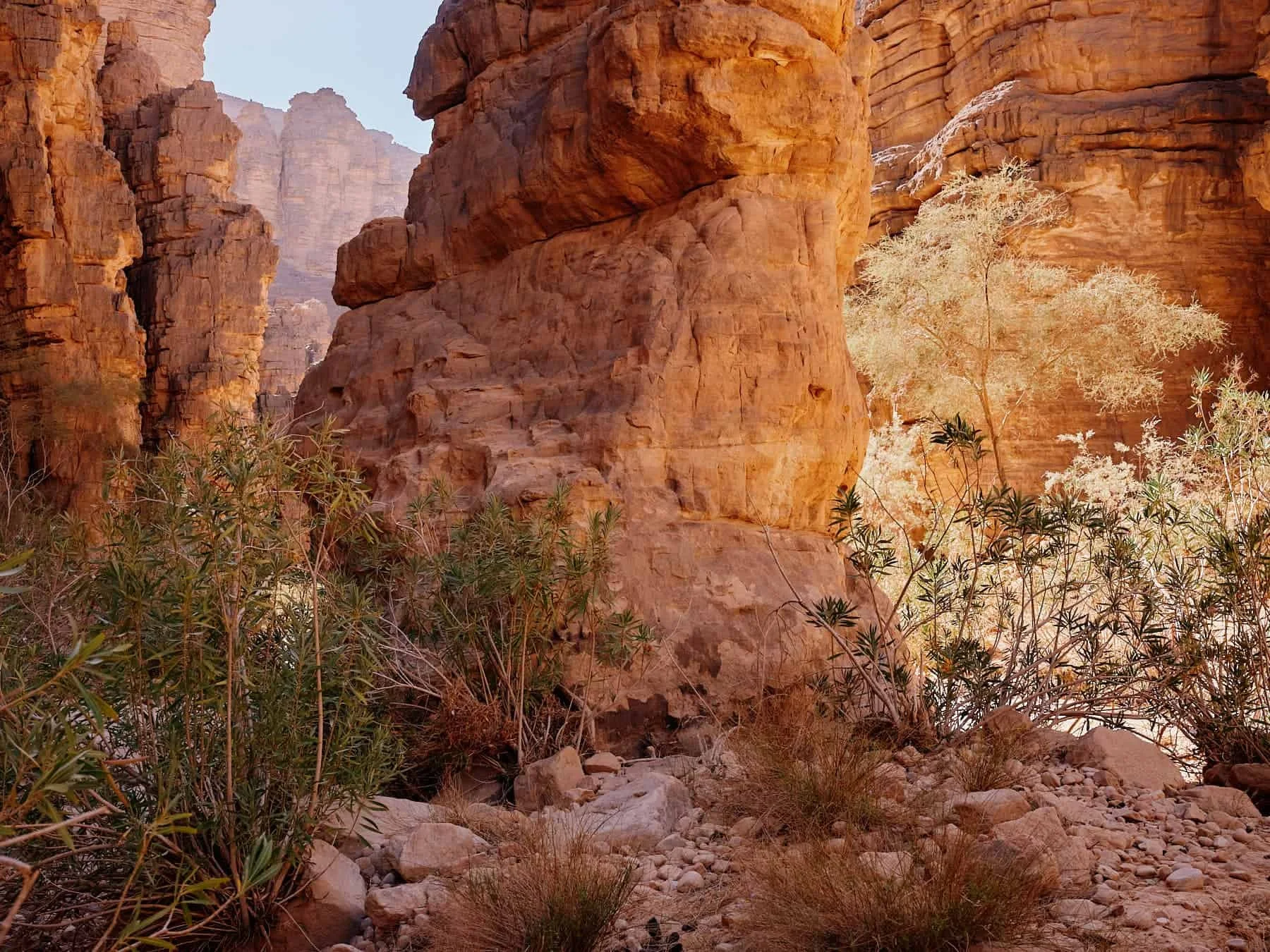
North of Djanet, Essendilène is the premier area for walking camel treks. Its dramatic gorges, lush foliage, and secluded pools provide variety and immersion rarely found in the wider Sahara. A trek here typically spans 8–9 days, balancing adventure with intimacy with the desert.
The Route: Through the Tassili n'Ajjer
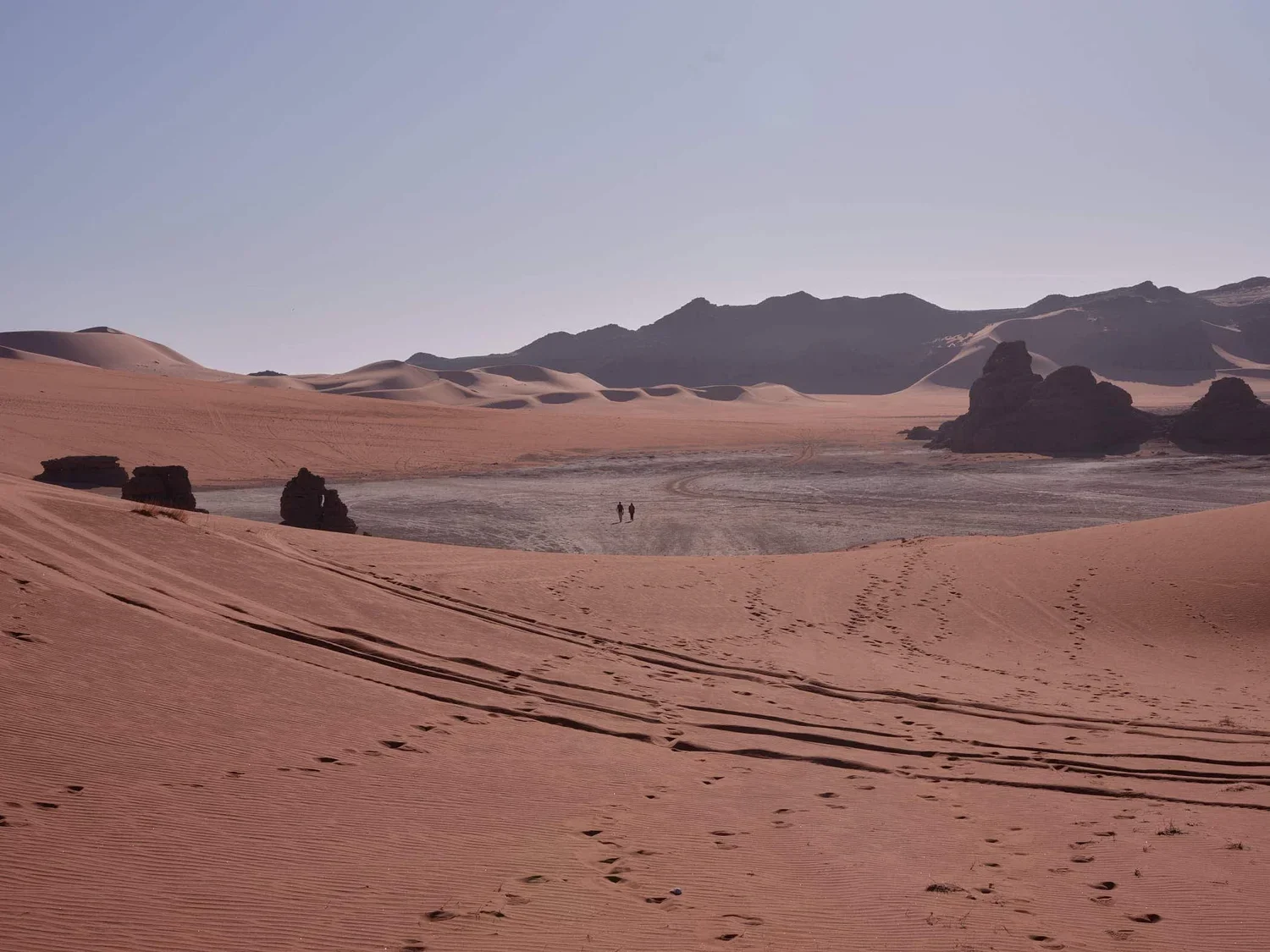
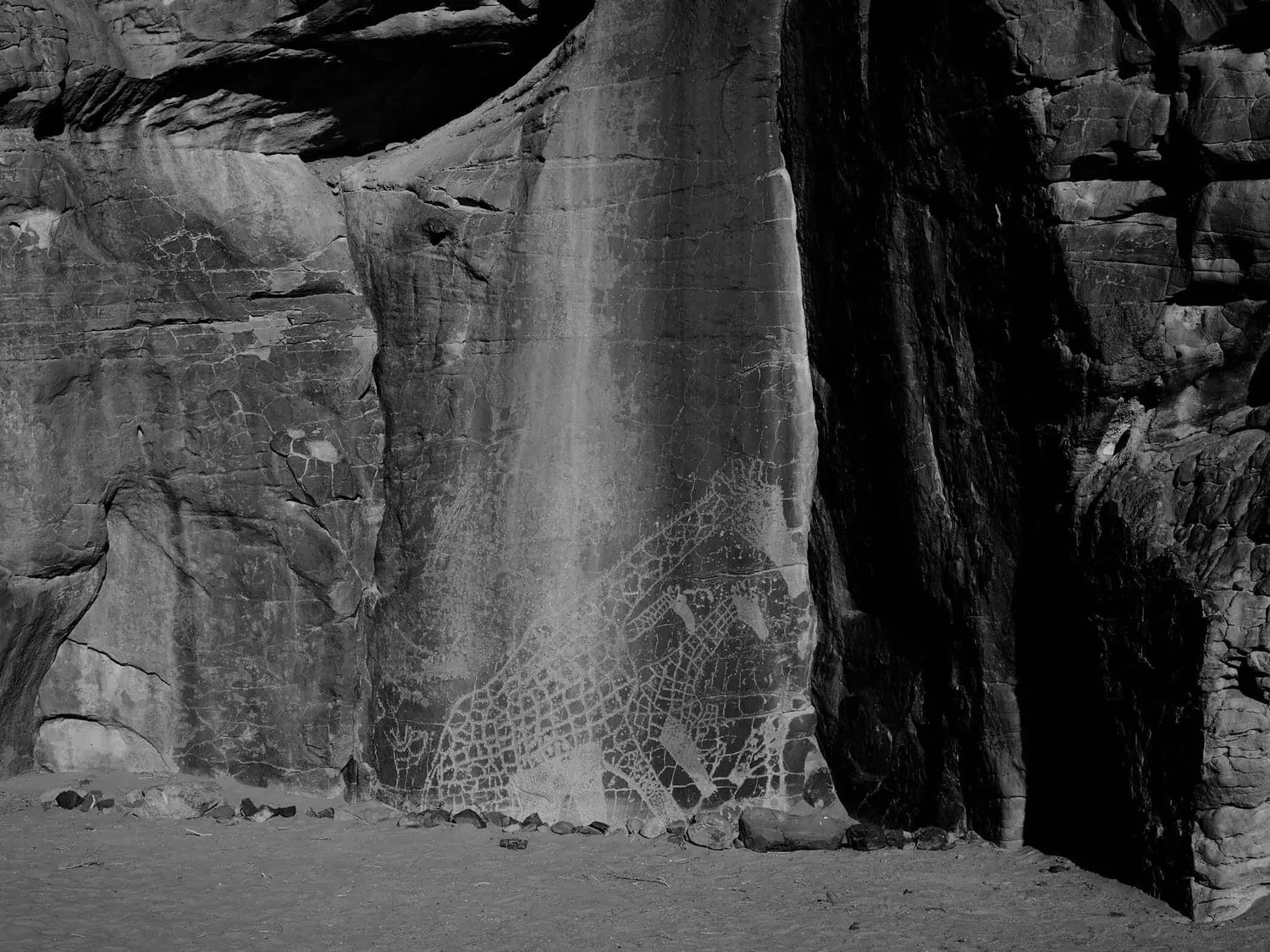
Expeditions to Essendilène Canyon typically depart from the oasis town of Djanet. The route is a masterclass in desert travel, winding past prehistoric rock art, sandstone arches, and dunes. The journey culminates at the canyon itself—a hidden sanctuary where emerald gueltas (rock pools) offer a cool reprieve. To maximize your time in the canyon, most itineraries conclude with a private 4x4 transfer back to Djanet.
Expedition Logistics: Planning Your Méharée
A camel trek through Essendilène requires Tuareg coordination. Private arrangements allow a tailored pace and itinerary.
Group Size & Cost: Prices are per person and scale with party size. They are generally reasonable for the exclusivity and service provided.
The Crew: Usually includes a lead Tuareg guide, a cook, and cameleers.
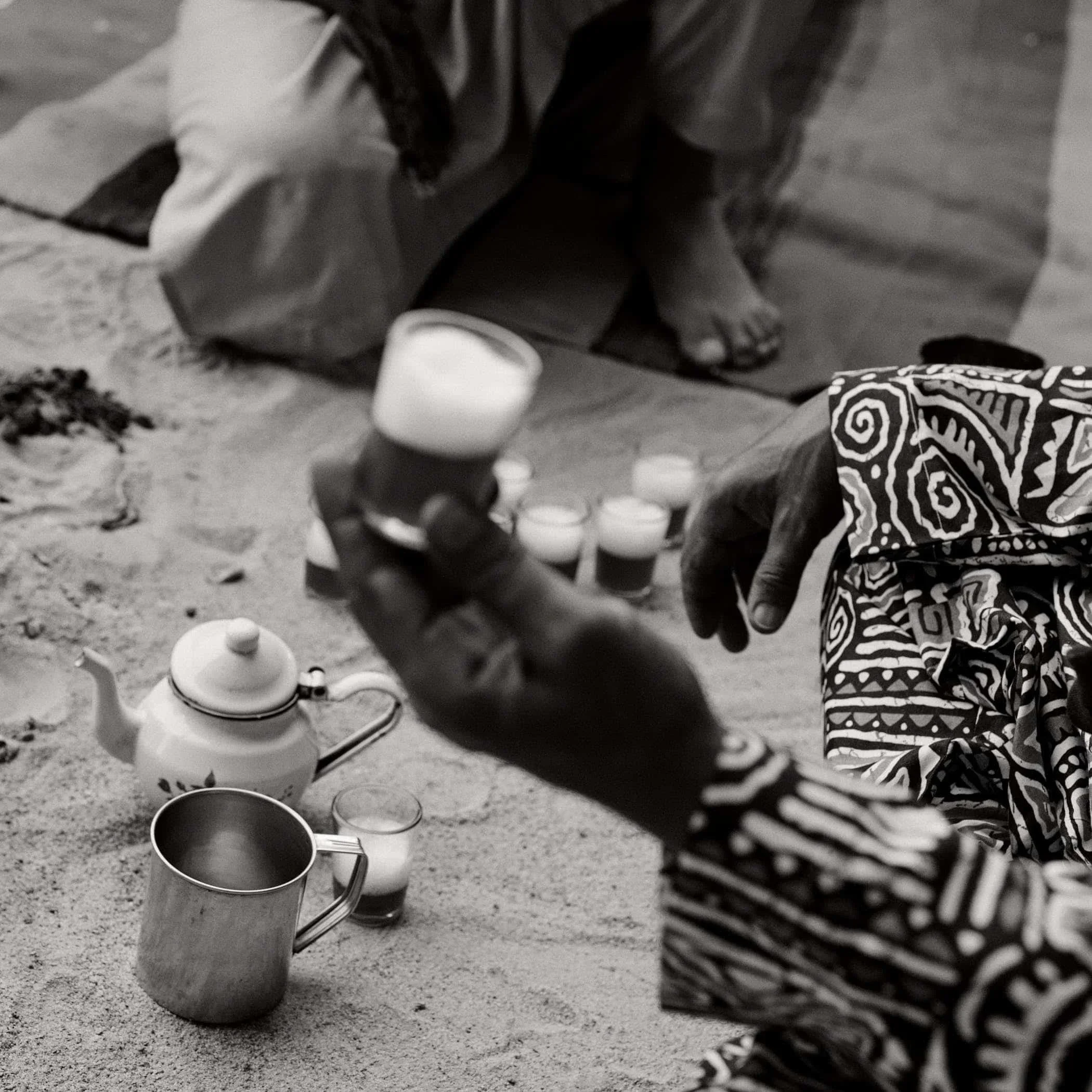
Catering: Freshly prepared meals and endless traditional tea; the cook manages all camp logistics.
Language: Guides fluent in English, French, German, or Arabic are often available.
Equipment: Tents, mattresses, and blankets are typically included. Lightweight personal sleeping bags are recommended.
Camel Trek Operators (for reference)
Expert Algeria: High-end, culturally immersive “Essendilène by Camel” packages.
Tinariwen Tours: Local operator with roots in Djanet, specialising in traditional camel travel.
Duneya Tours: Focused on nomadic heritage and bespoke expeditions.
(No personal affiliation; non-sponsored recommendations)
The Camel Trek Packing List
This packing list focuses on the specific requirements of a Saharan méharée—where you need to balance protection from the elements with the weight limits of a camel-supported expedition.
Because you are moving at a walking pace in a high-contrast environment (intense sun by day, sharp drops in temperature at night), your kit needs to be versatile and durable.
-
Clothing & Layers
• Loose, breathable long-sleeved shirts and lightweight trekking trousers.
• Tuareg “shesh” (turban) for sun, sand, and wind protection.
• Down jacket or heavy fleece for cold nights.
• Trekking boots or sturdy trail shoes; sandals or Birkenstocks for camp.
Sleep & Comfort
• Personal 3-season sleeping bag.
• Silk liner for additional warmth or lightweight sleep.
• Inflatable pillow for camp comfort.
Sun & Skin Protection
• SPF 50+ sunscreen, lip balm, and moisturizer.
• Polarized sunglasses with side shields.
• Wet wipes and biodegradable soap for desert hygiene.
Trekking Essentials
• Daypack (20–30L) for water, camera, and layers.
• Two 1.5-liter reusable water bottles.
• Headlamp with spare batteries.
• Solar-compatible power bank for electronics.
Travel Extras
• Journal and pen for midday reflections.
• Personal first aid kit including blister pads, rehydration salts, and medication.
RELATED POSTS